
Gold Medal in the category « Out of Africa »
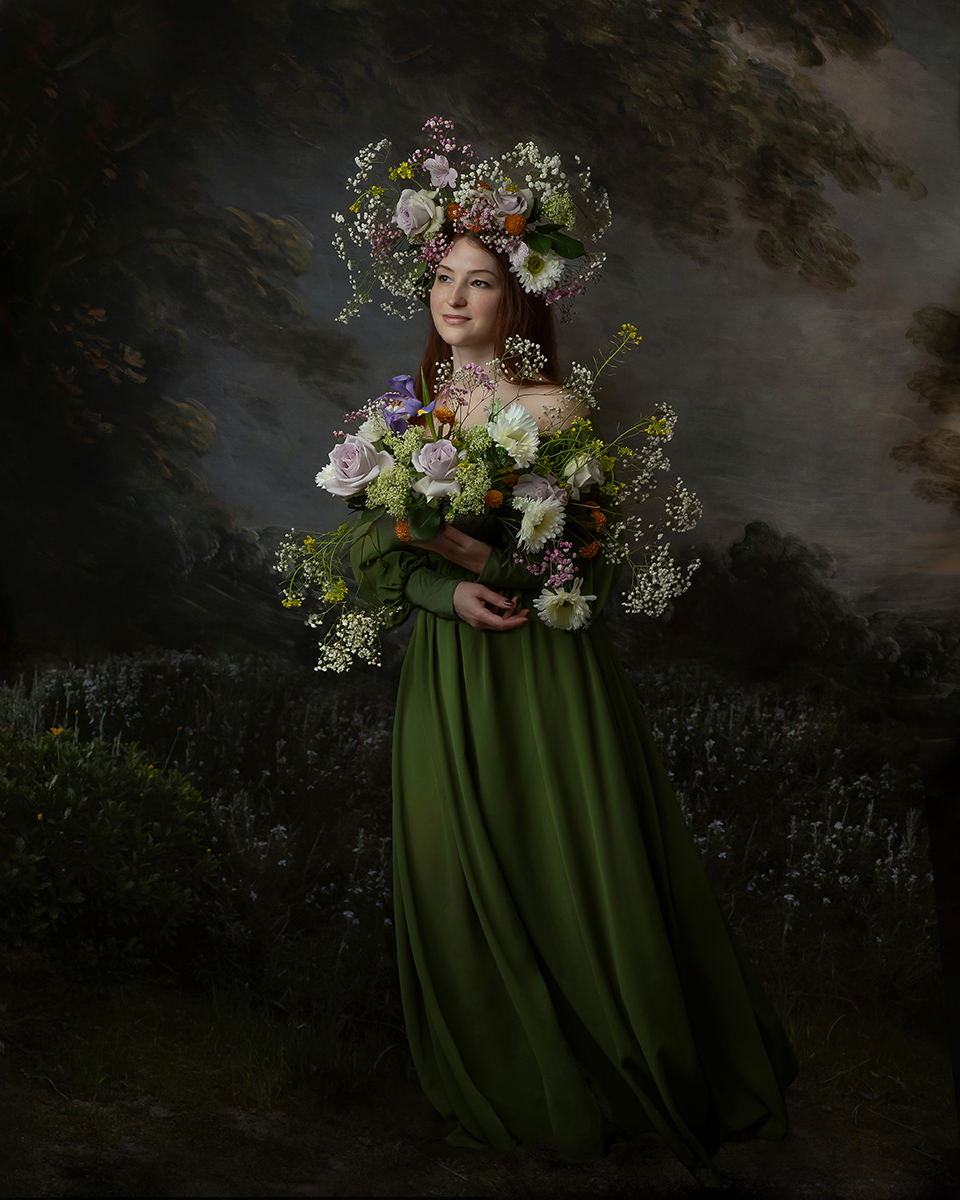
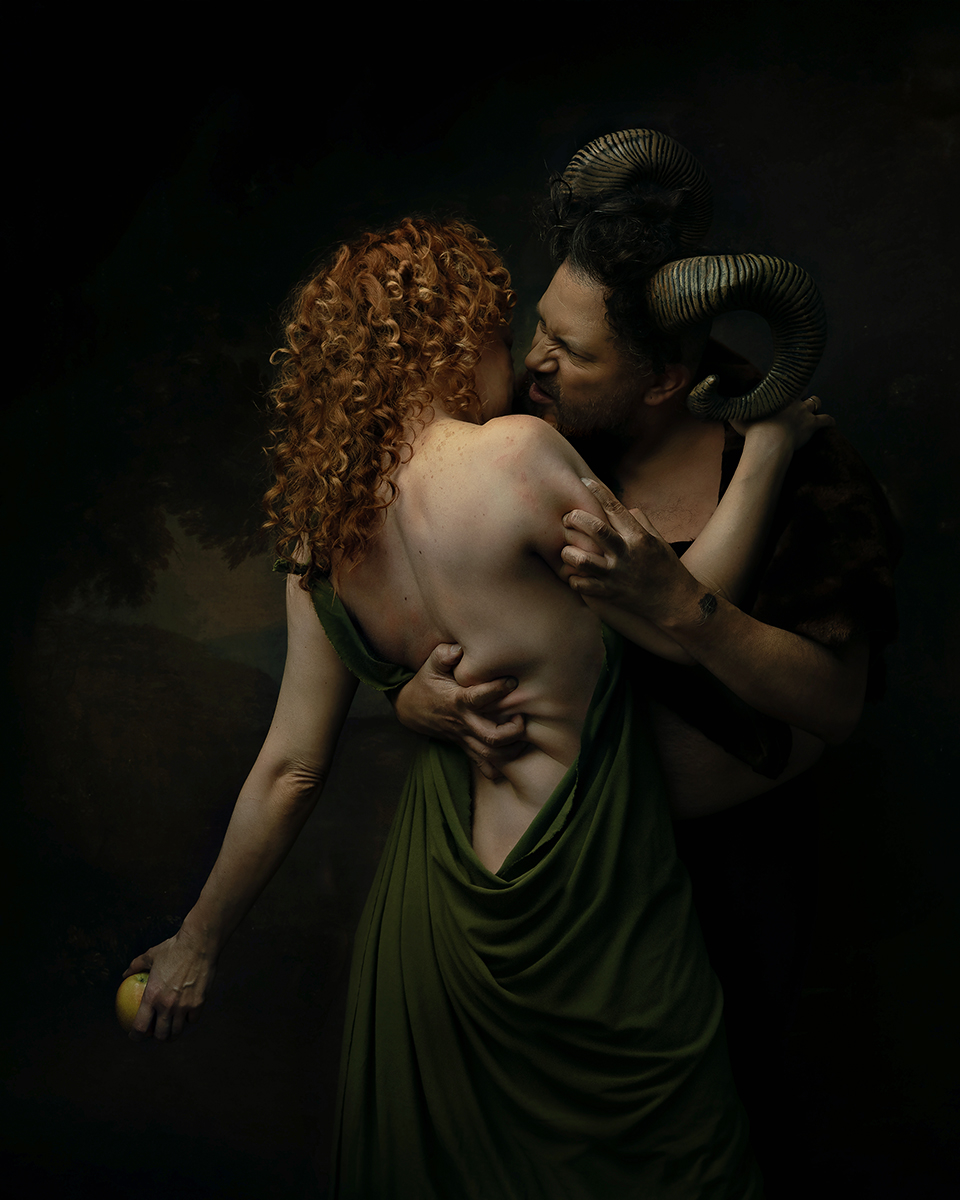
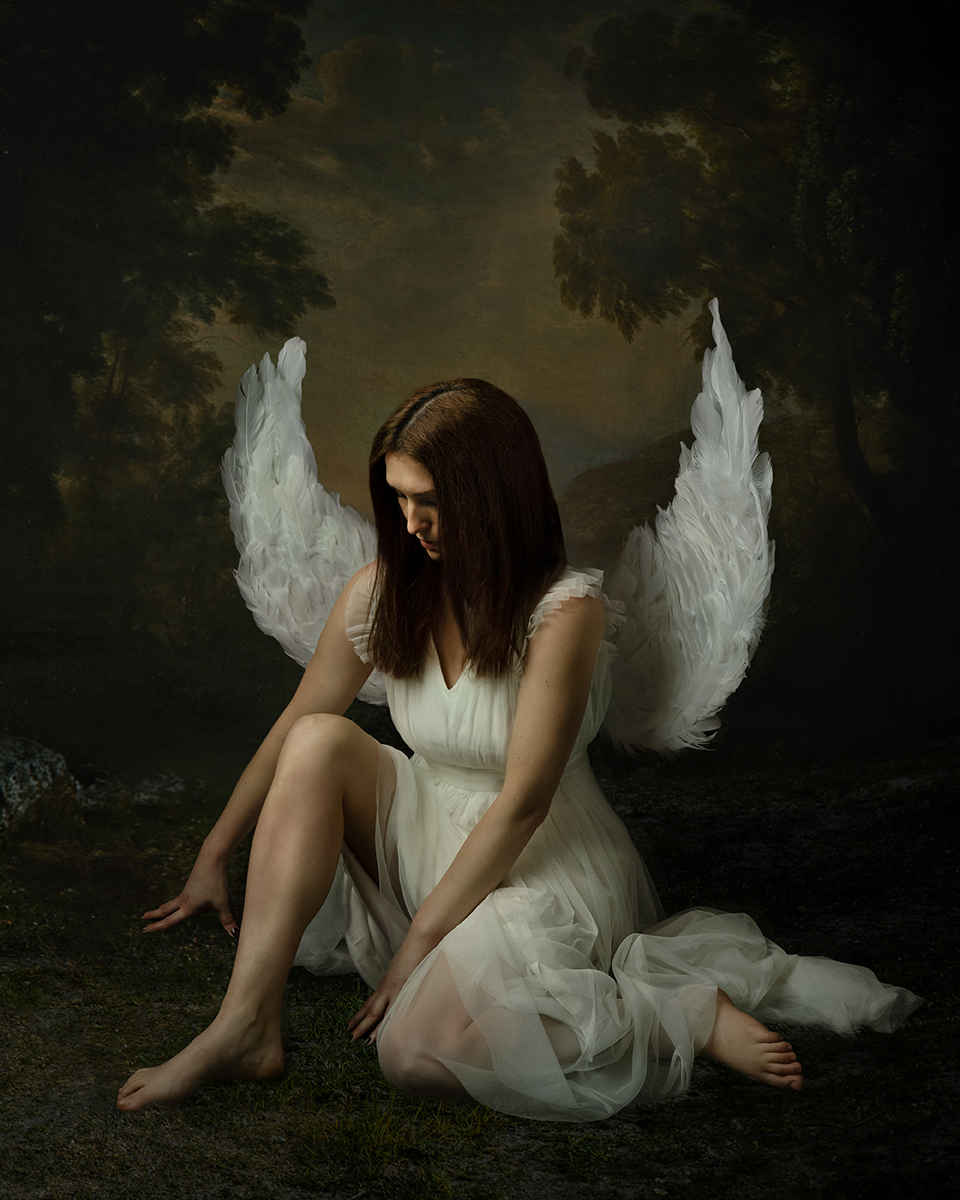
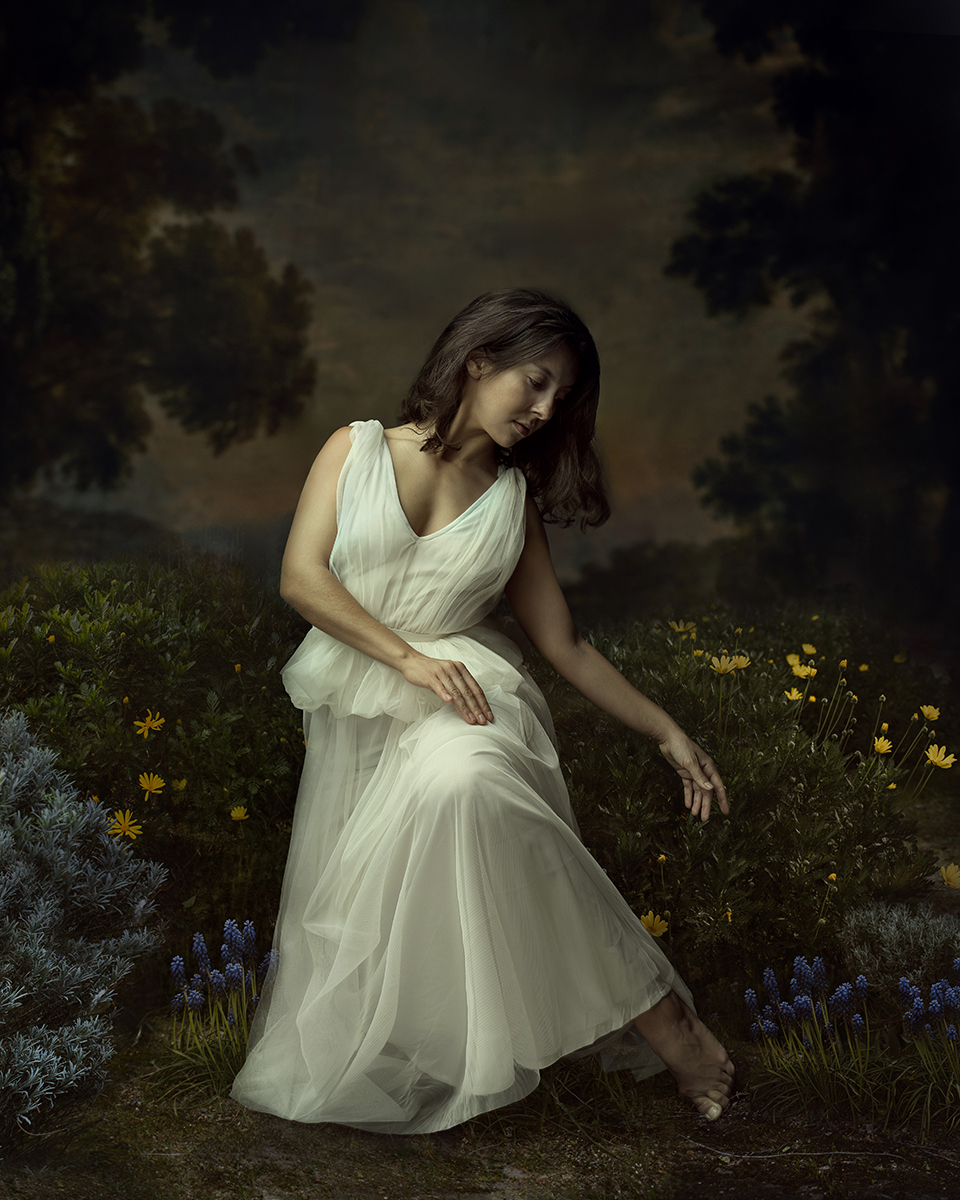
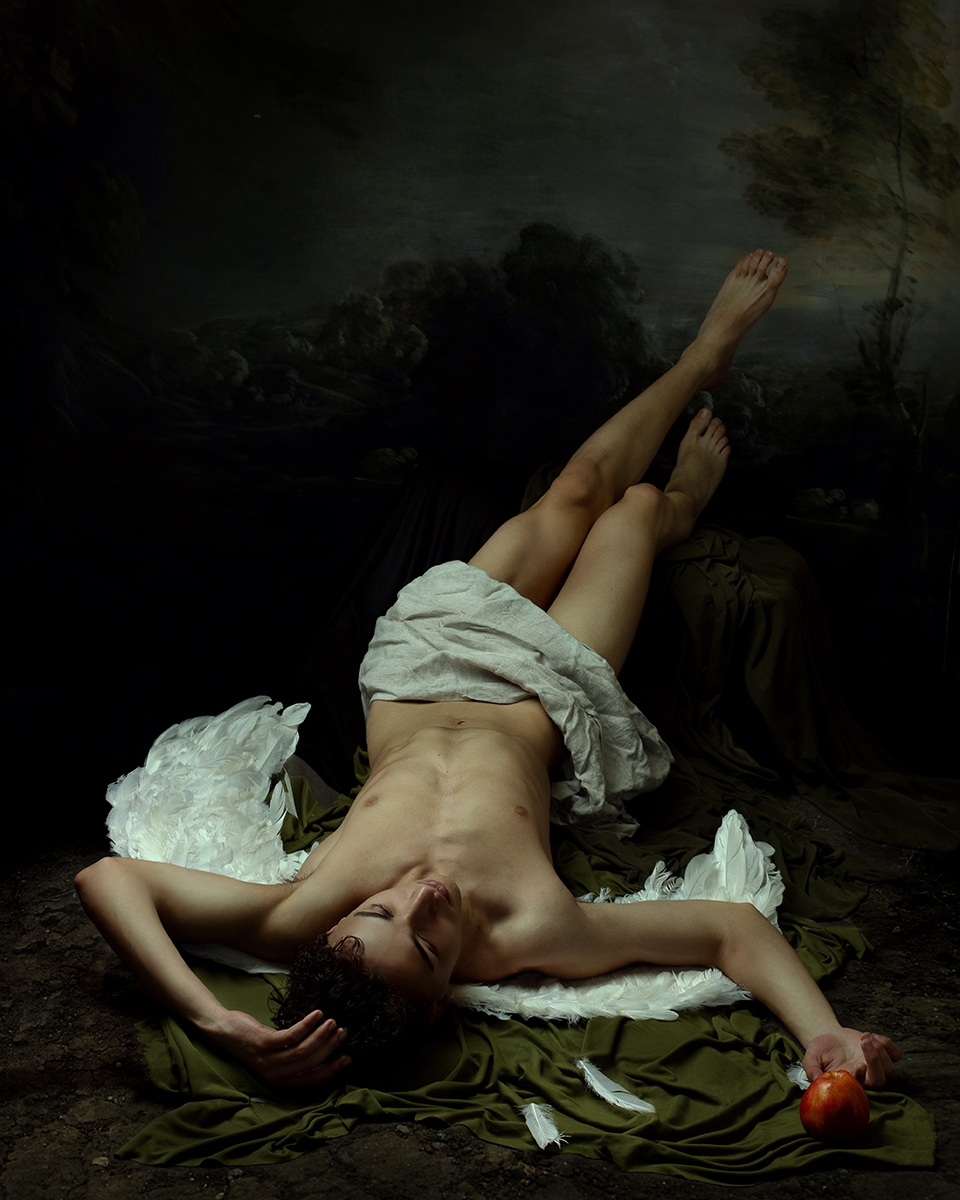
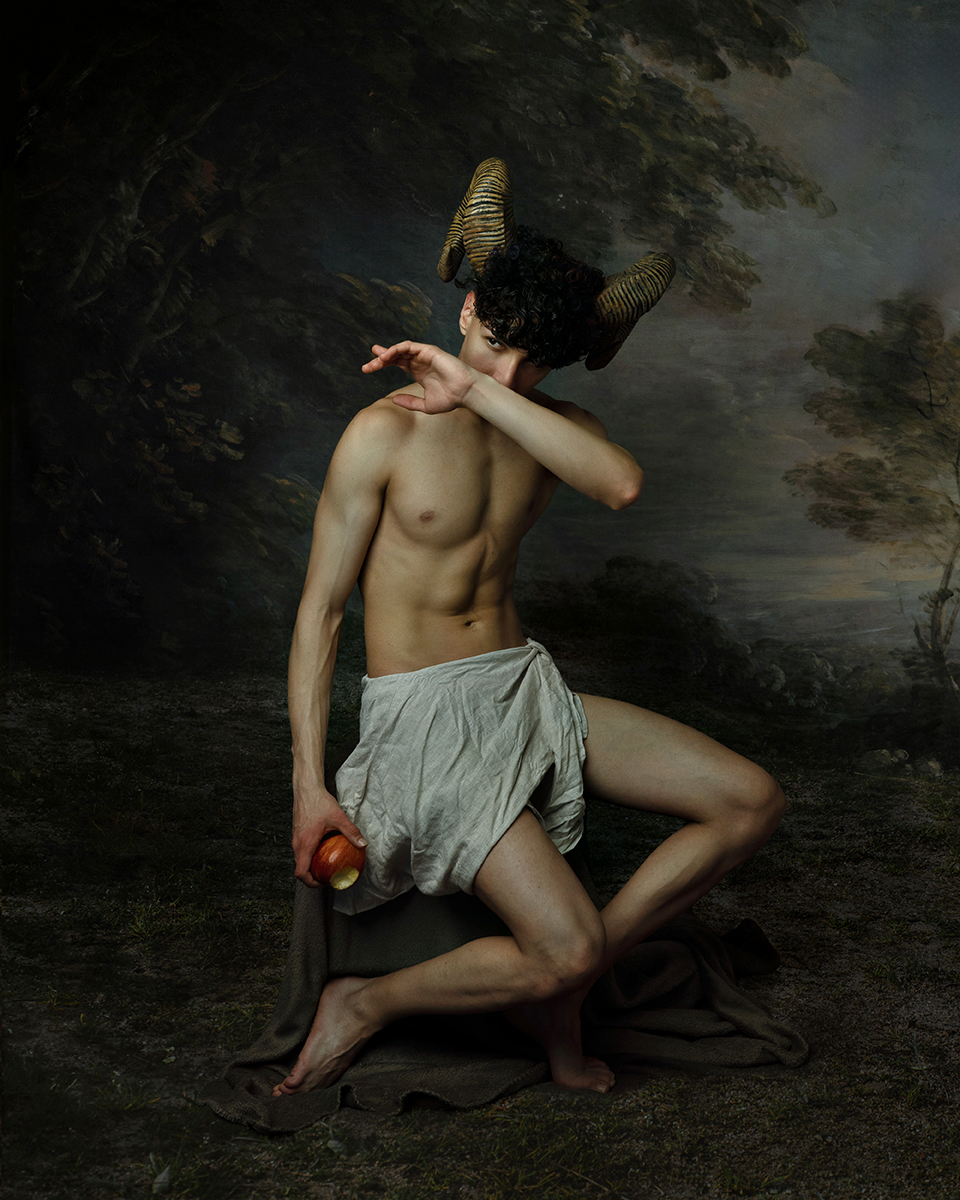
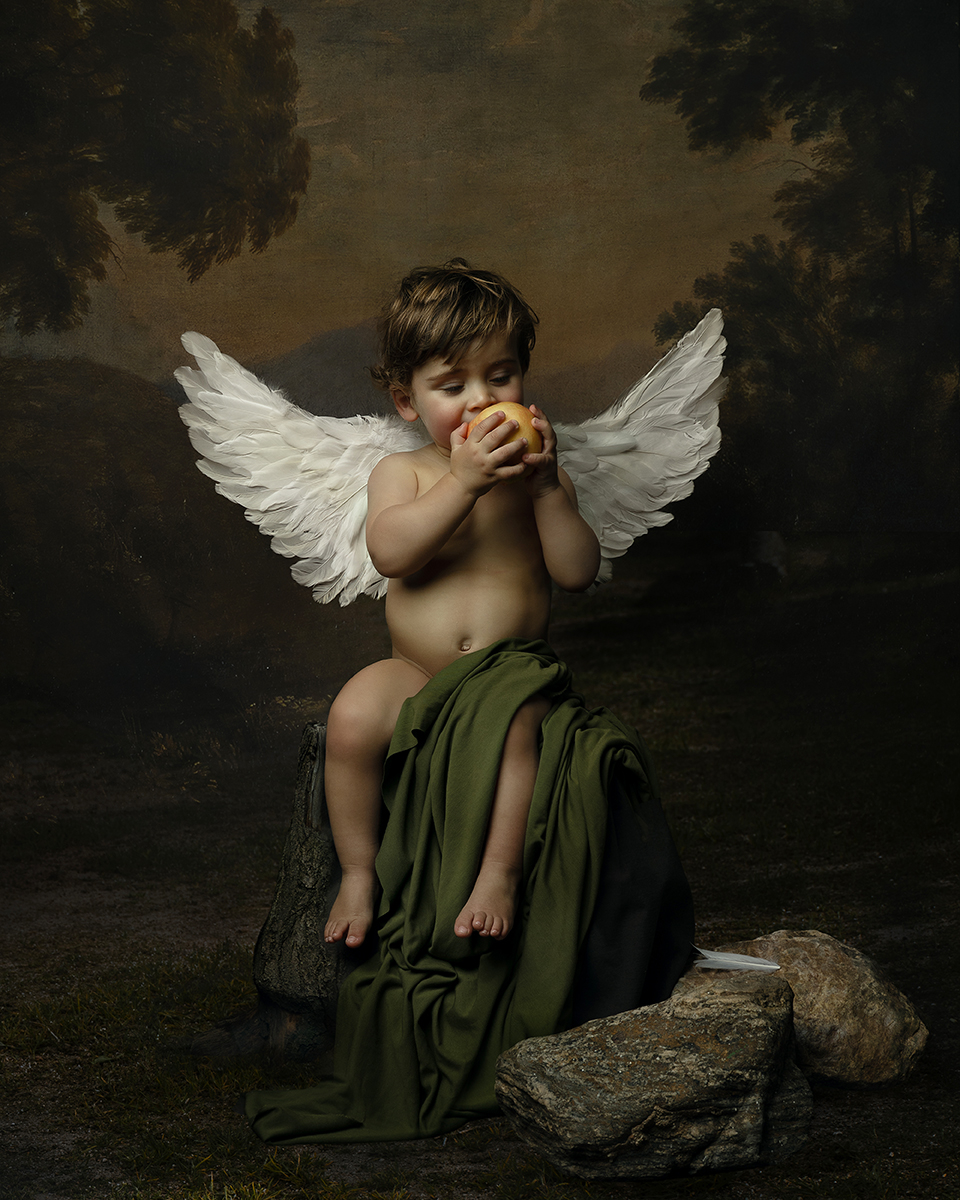
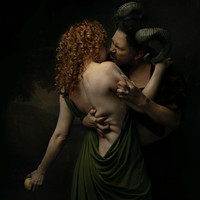
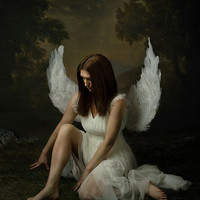
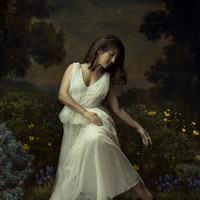
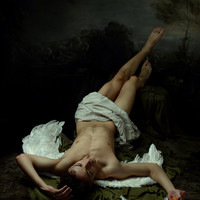
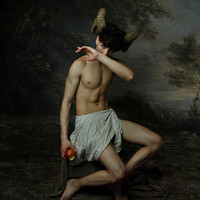
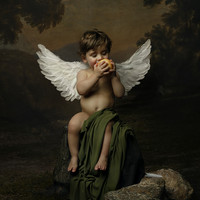
The series constructs a visual universe in which the mythological and the human intertwine through a pictorial sensibility reminiscent of the Baroque, evoking the eternal tension betweenpurity, desire, and transgression. Each scene seems suspended in an ambiguous time: neither past nor present, but a symbolic space where bodies embody ideas rather than identities. It creates a universe where the mythological is not presented as narrative, but as a state of being. Each figure inhabits the shared symbolic space, where innocence, desire, andconsciousness intertwine without clear hierarchies. Everything seems to begin in the silent fulllness of Flora, a presence that embodies original harmony—a world still intact, where life unfolds without conflict. But this stillness is notpermanent: in the encounter between the Satyr and the Nymph, the first rupture emerges, the awakening of desire as an inevitable and natural, yet unsettling force. The figures then move through different states of this transformation. The Angel introduces doubt: no longer absolute purity, but self-awareness. And in the Fallen Angel, that awareness becomes irreversible; innocence does not disappear, buttransforms into something more complex, more human. Meanwhile, the Forest Muse and the Faun inhabit desire without conflict. In them, there is no fall, only nature. They stand as evidence that the prímal is not necessarily a loss, but anotherform of truth. The constant presence of the fruit (the apple) introduces the motif of temptation, knowledge, and inevitable fall. It is not merely temptation: it is choice, knowledge, consequence. Itsmeaning shifts as it passes from one set of hands to another, as if the series itself were reflecting on its own symbol. The series does not tnarrate a linear story, but a cycle: from harmony to desire, from desire to knowledge, from knowledge to a new form of origin. In this journey, the mythological ceasesto be the past and becomes a language of the eternal, where each figure represents not a character, but a possibility of being.
BACK TO GALLERY