
Honorable Mention in the category « Reportage / News »
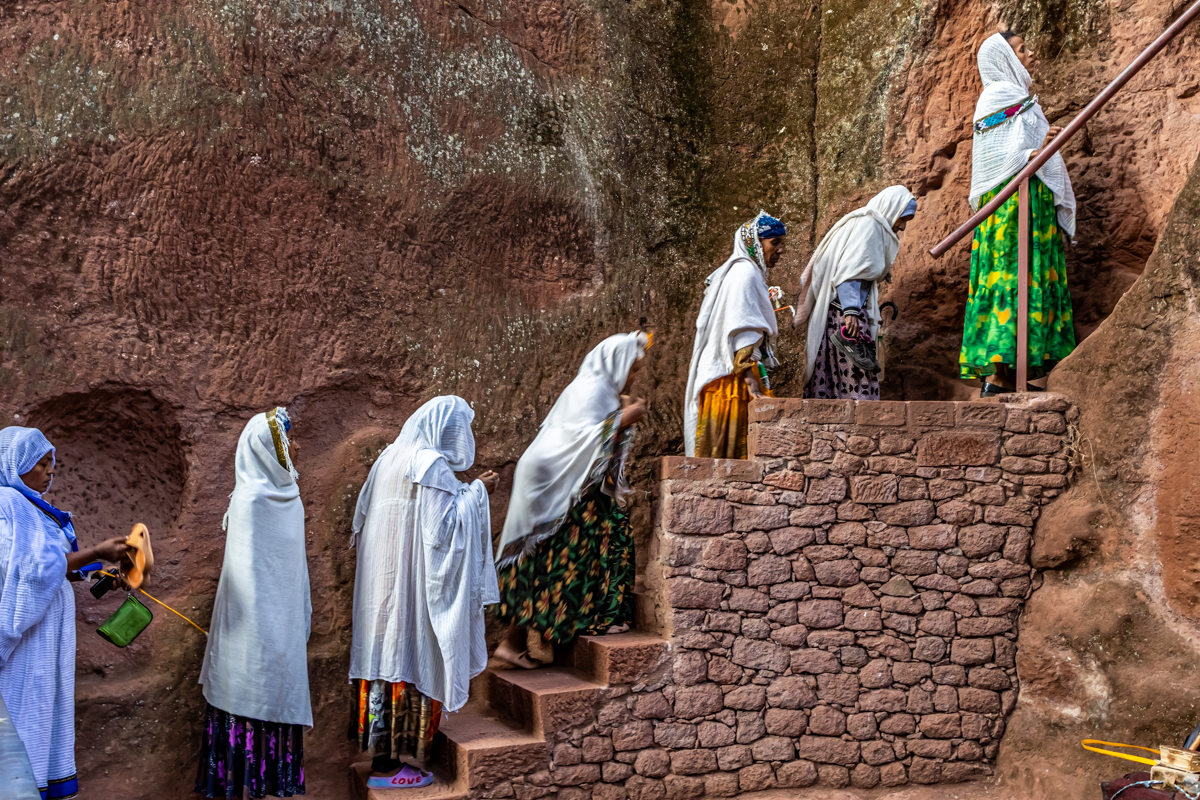
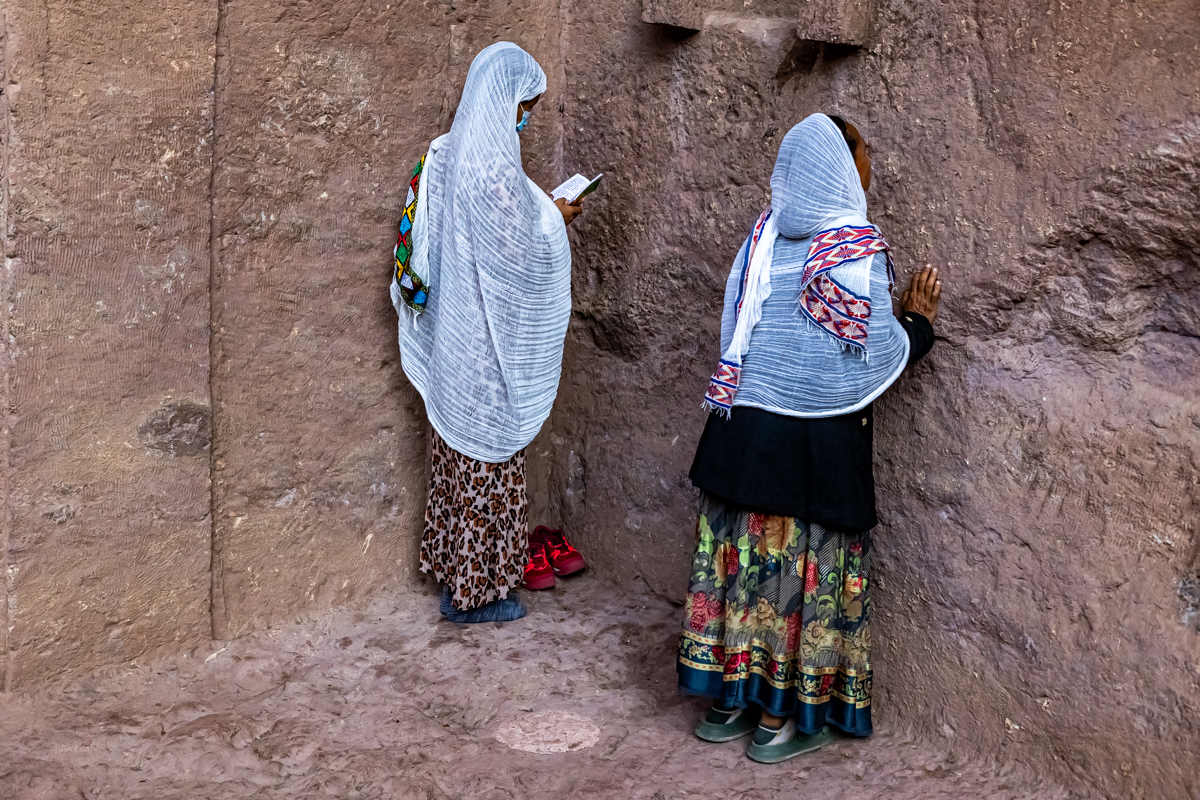
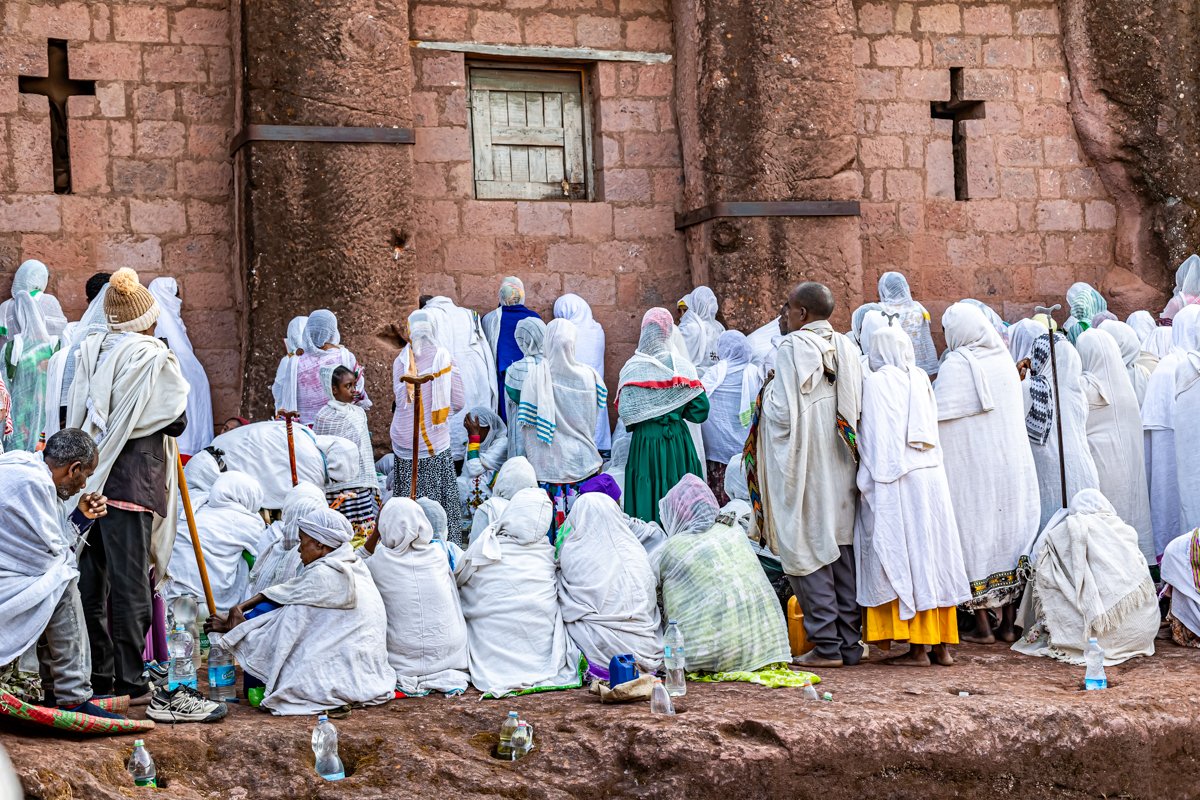
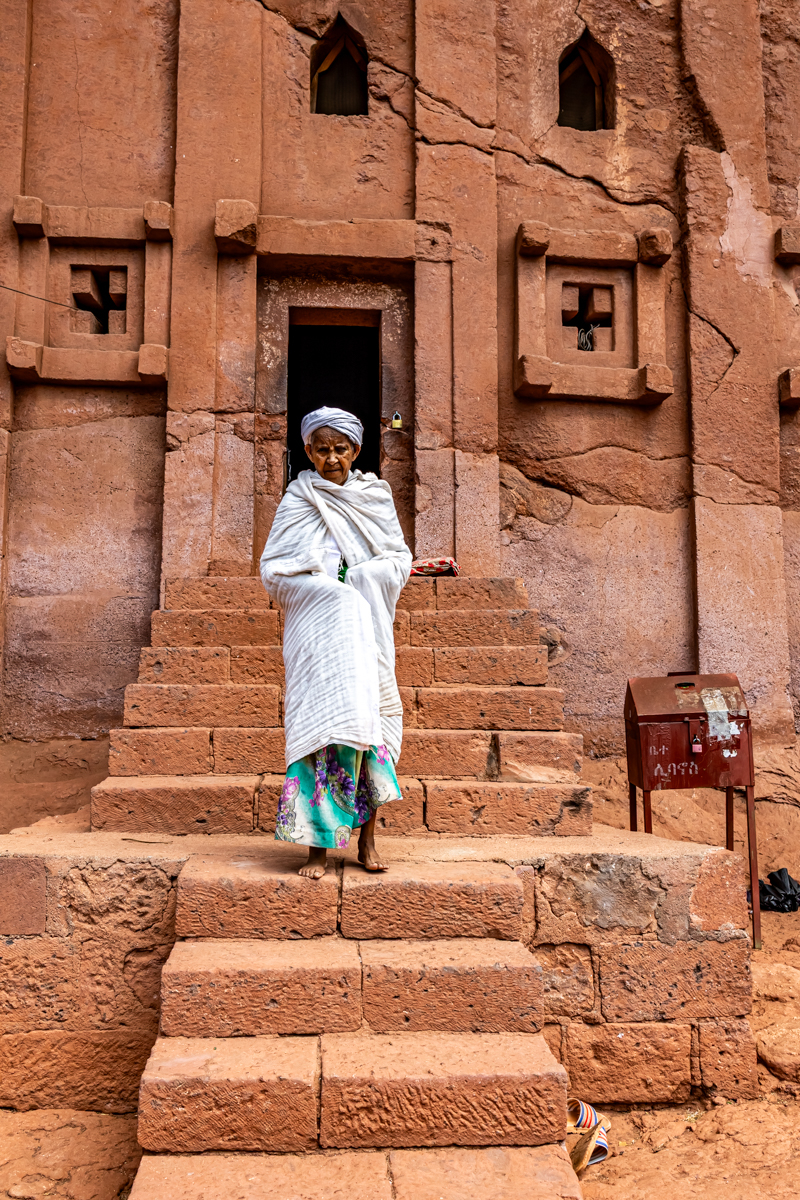
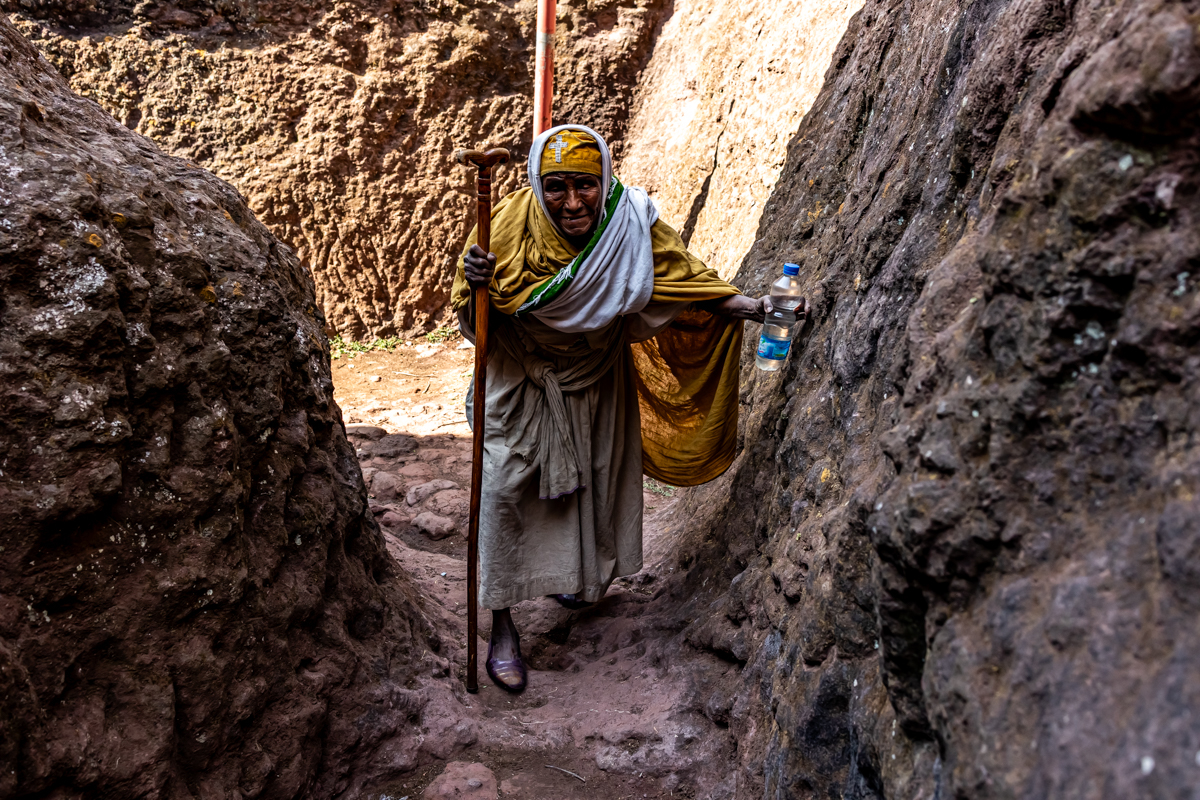
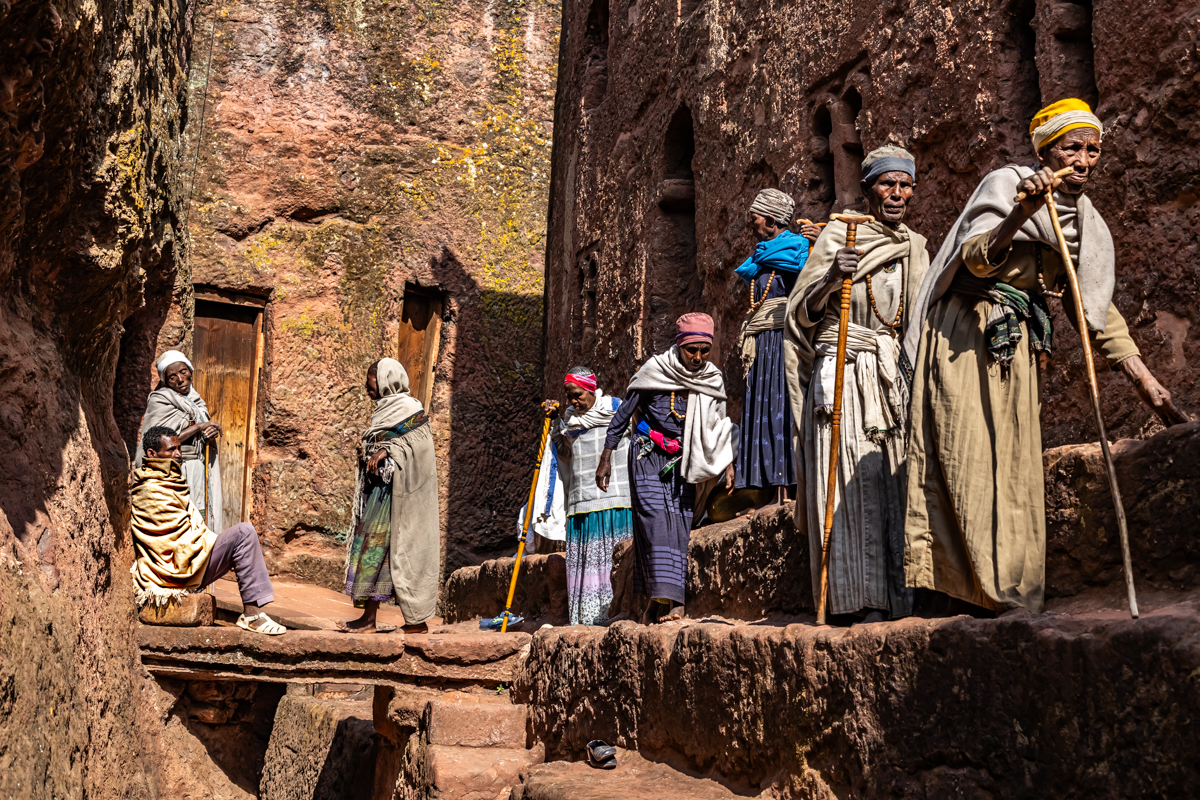
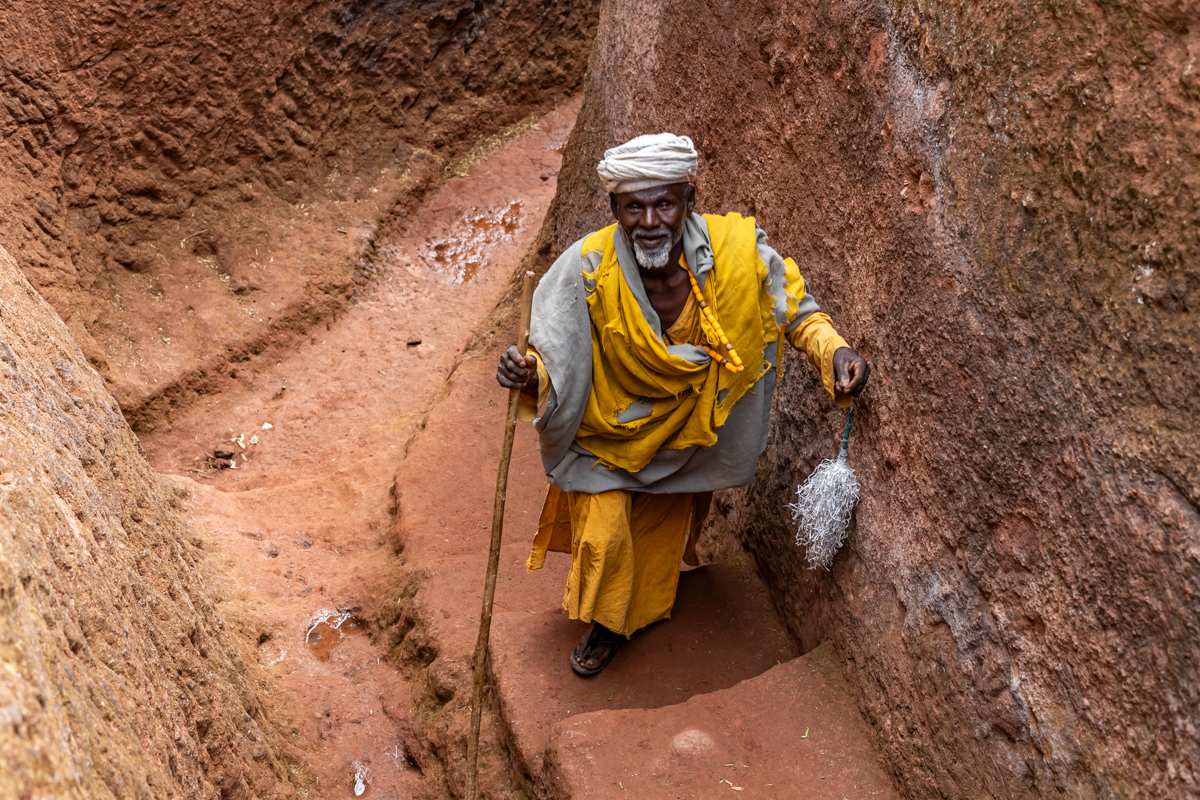
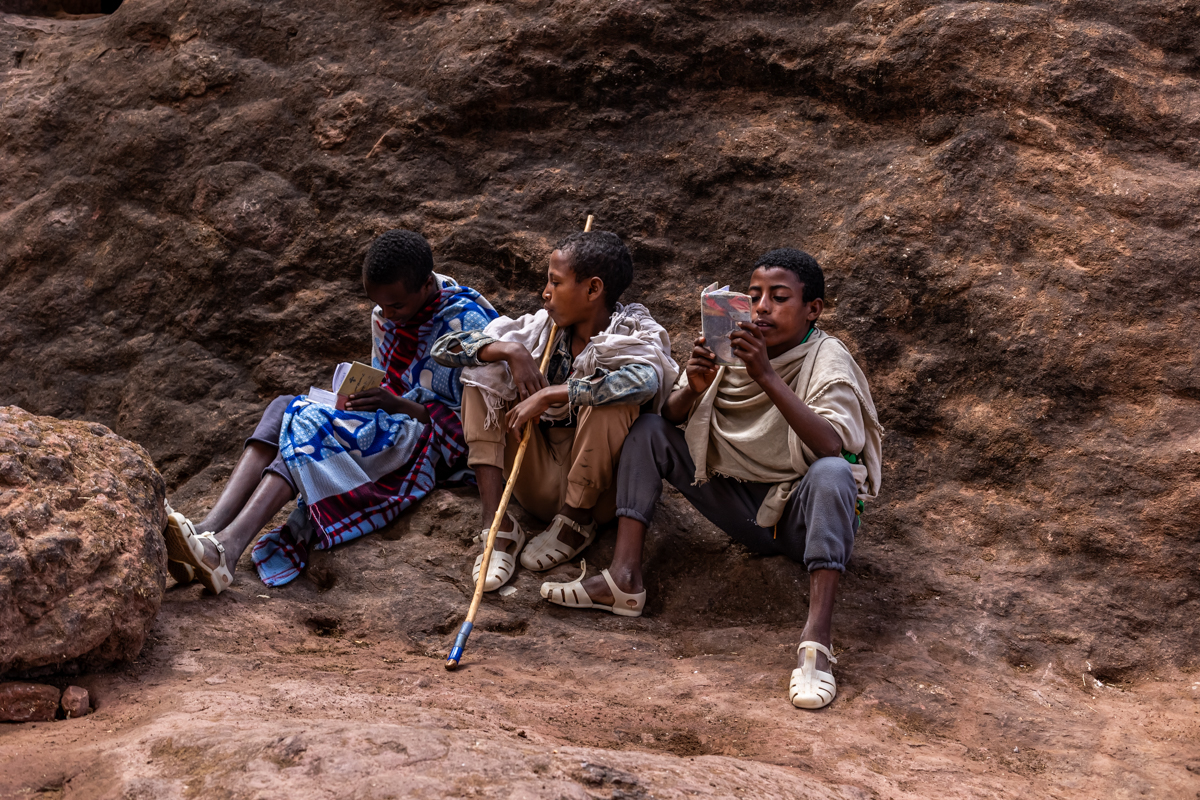
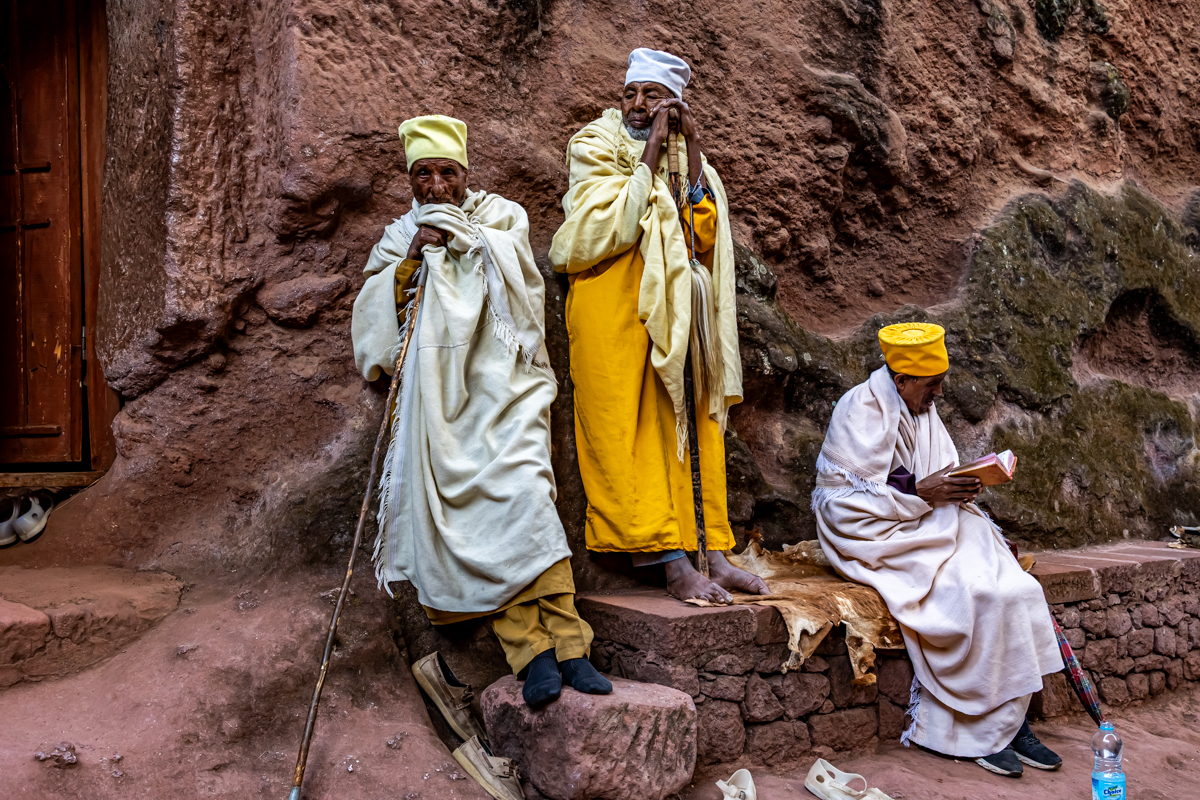
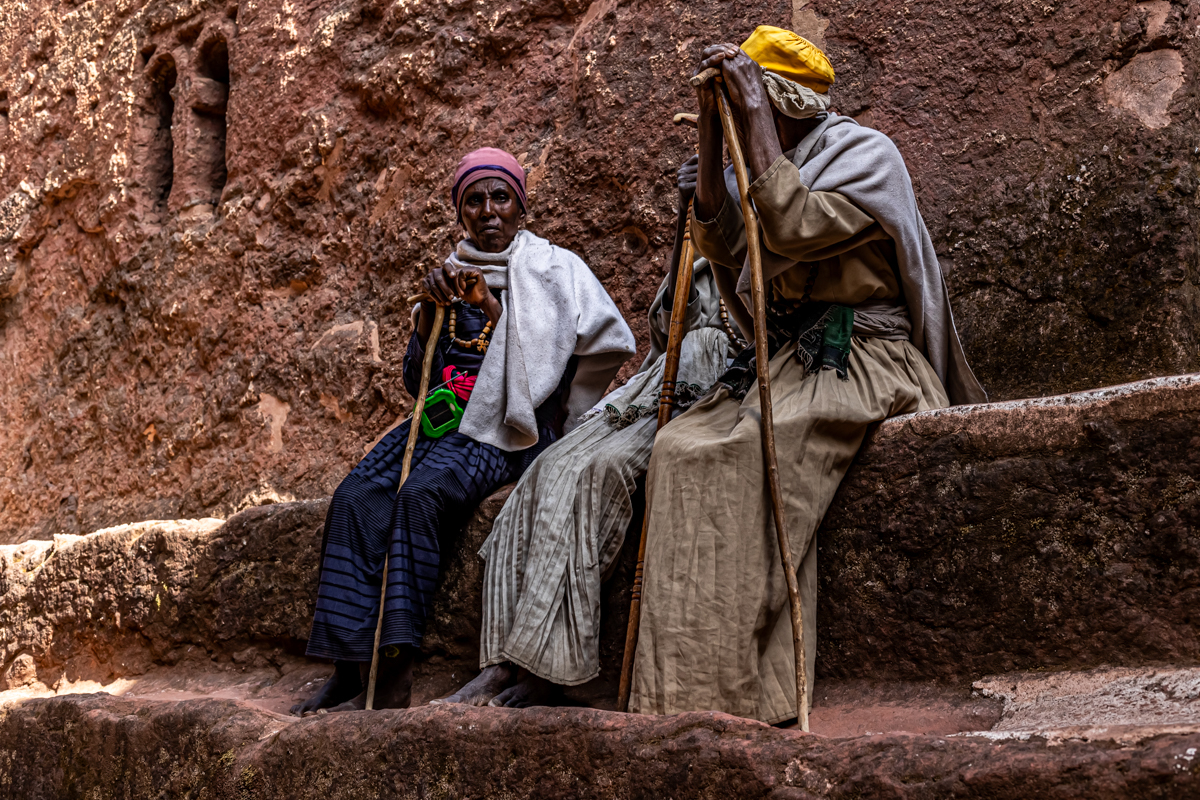
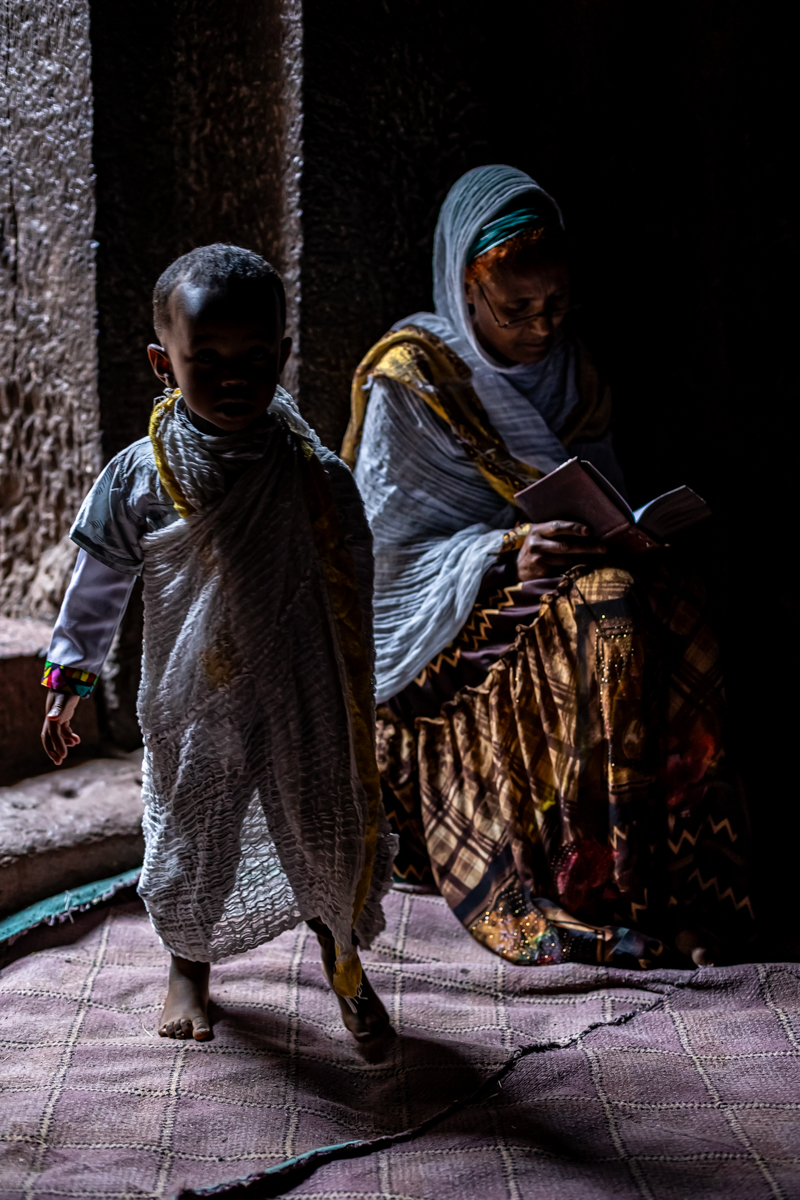
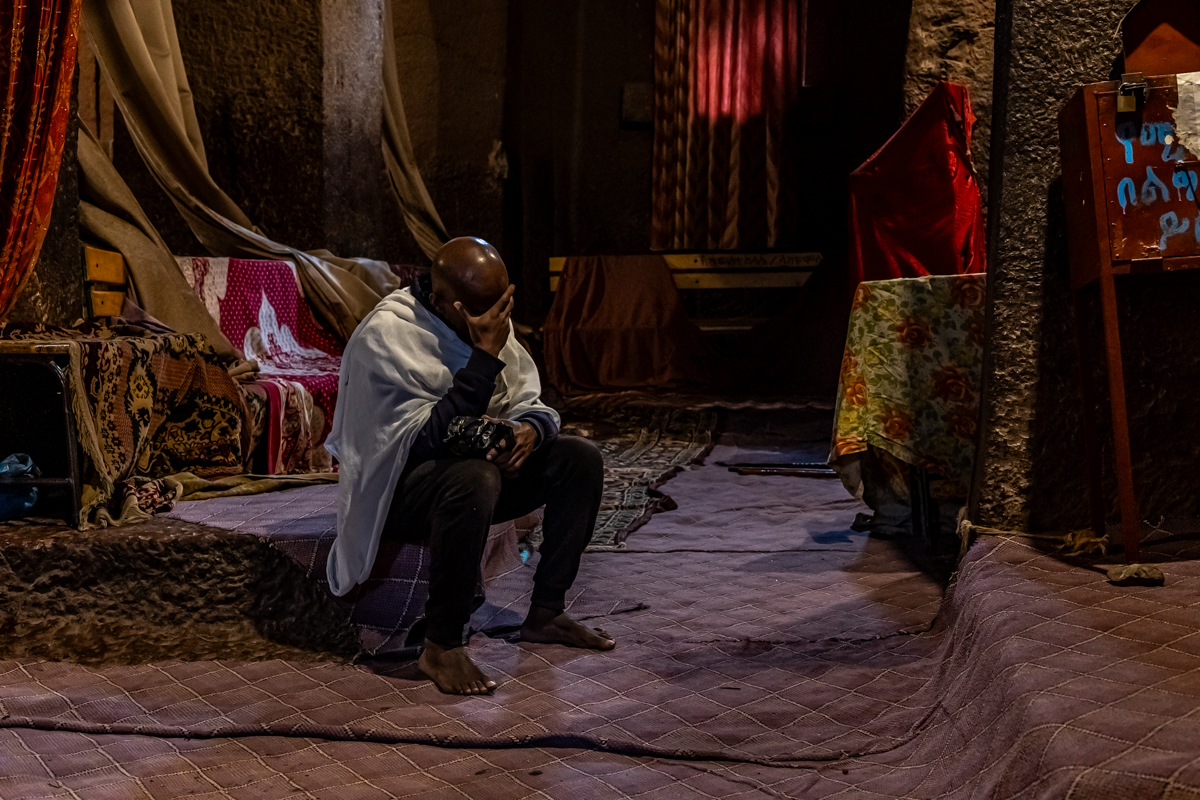
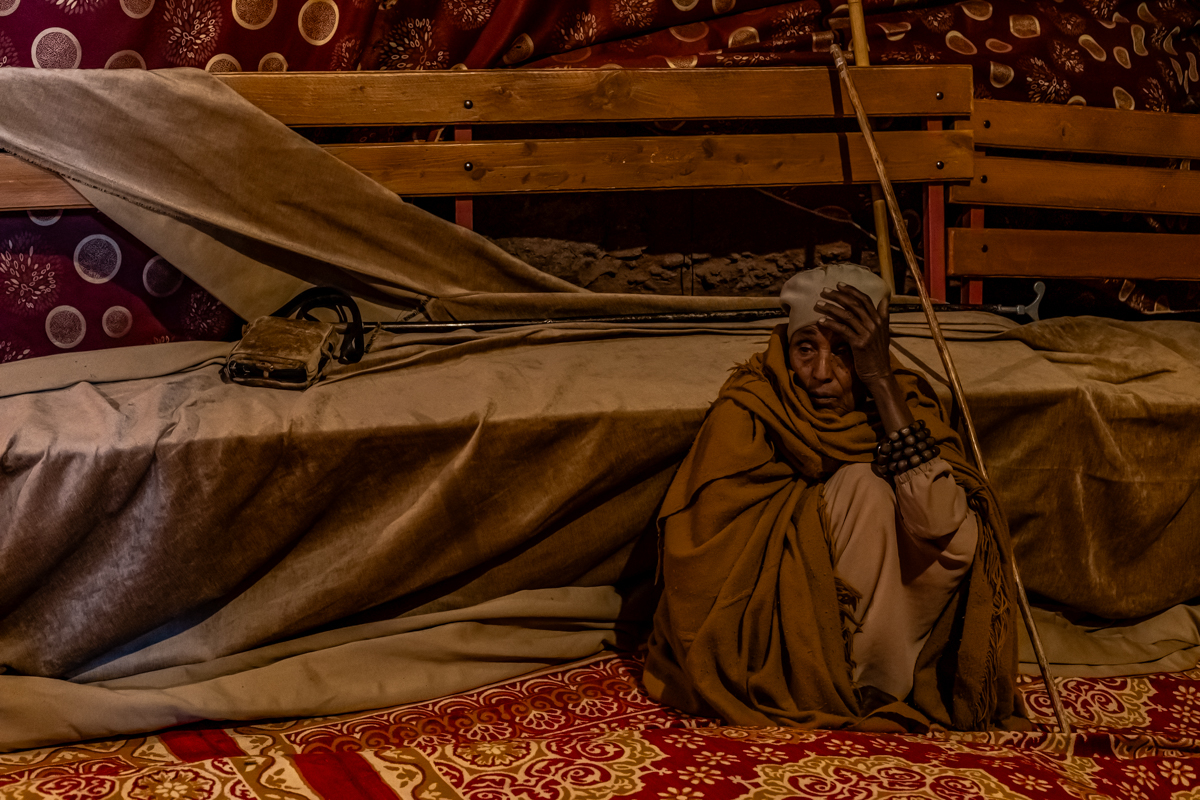
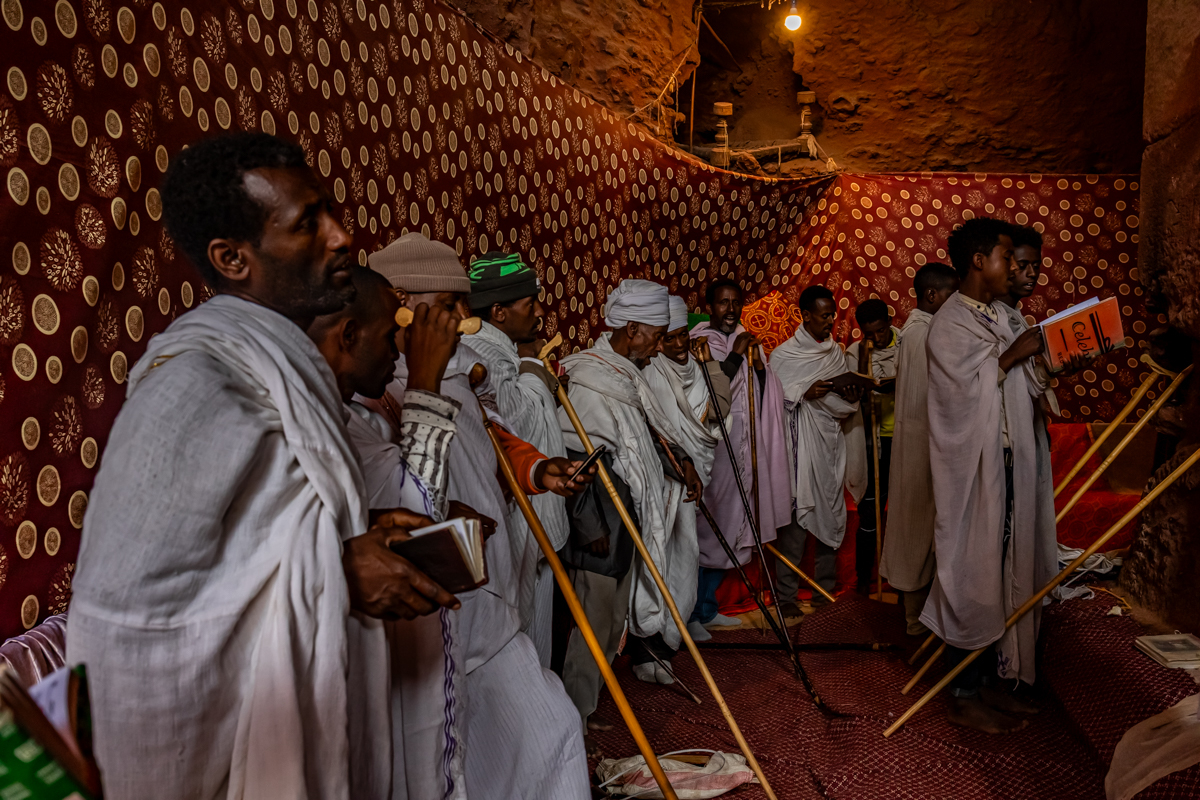
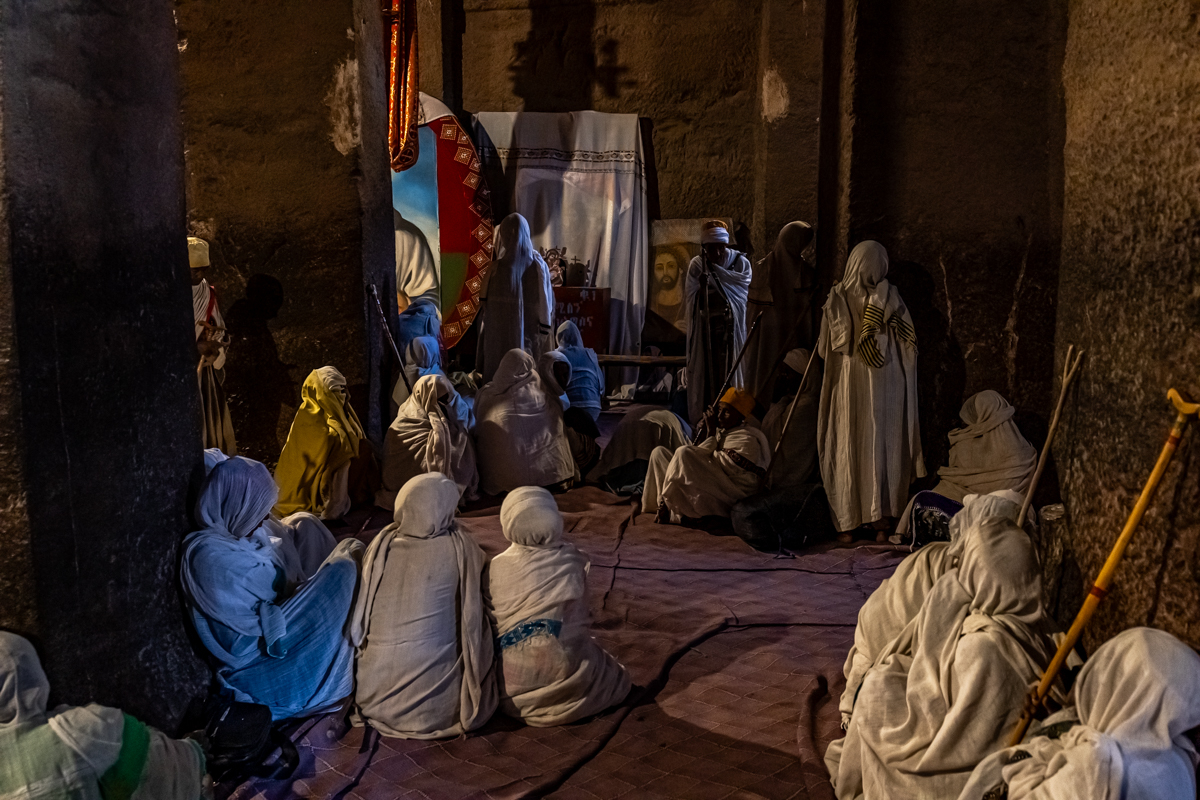
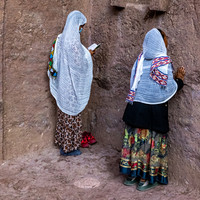
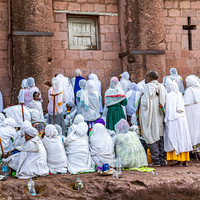
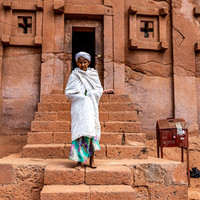
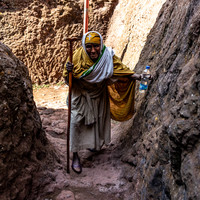
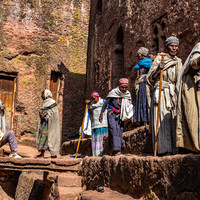
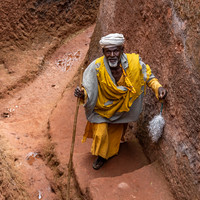
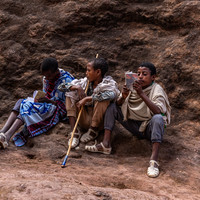
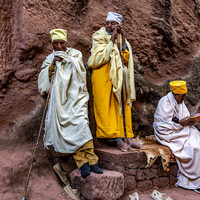
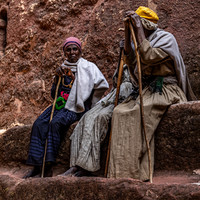
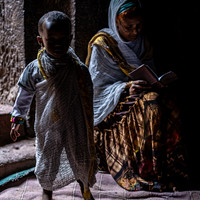
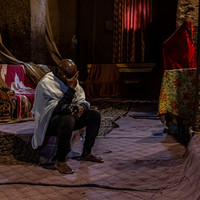
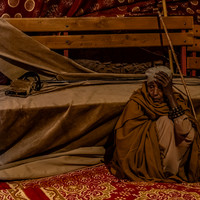
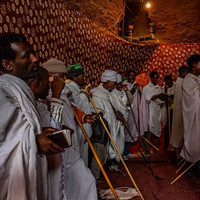
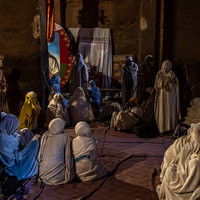
This series of photographs reveals the sacred and almost surreal atmosphere of the rock-hewn churches of Lalibela, in the heart of the Ethiopian mountains. Carved directly into volcanic rock monoliths between the 12th and 13th centuries, these structures form one of the most extraordinary architectural and spiritual complexes in the world.
Each image captures the intimate relationship between stone, light, and silence. The sculpted facades emerge from the ground as if they had always belonged to the landscape. Narrow tunnels, underground passages, and sunken courtyards create a labyrinth that leads the visitor to a universe where time seems suspended. Natural light, filtered through minimal openings, casts shadows that reveal details sculpted with almost impossible precision.
The photos also record the human presence: pilgrims wrapped in white robes, murmured prayers, slow steps that echo centuries of devotion. This living dimension reinforces the idea that Lalibela is not just a historical site, but an active spiritual center, where tradition and faith remain vibrant.
The series invites the observer to experience the original intention of King Lalibela: to create an African “New Jerusalem,” a sacred space intended to bring the divine closer to everyday life. From every angle, one perceives the fusion between human ingenuity and transcendence, between the strength of the stone and the delicacy of belief.
More than documenting monuments, these images reveal the mystical essence of Lalibela—a place where spirituality materializes in living rock and where each wall holds the memory of centuries of hope, resistance, and faith.
BACK TO GALLERY