
Honorable Mention in the category « Documentaire »
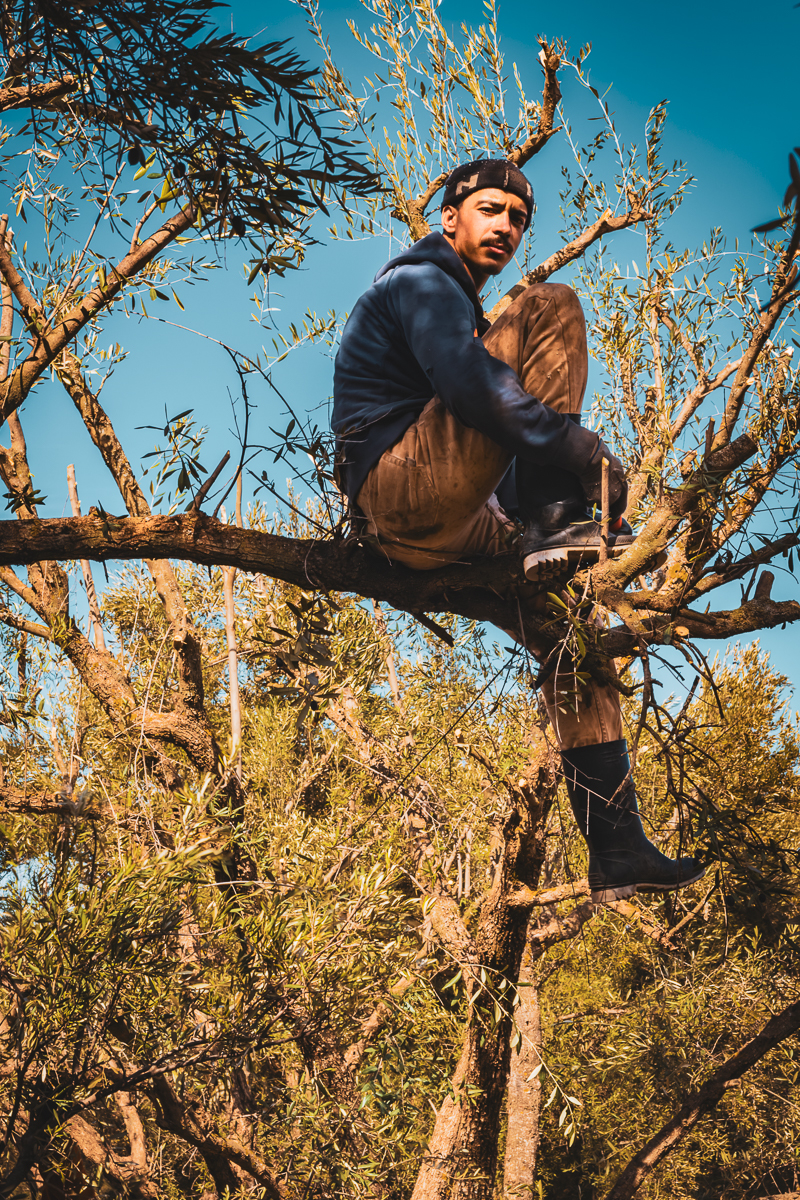
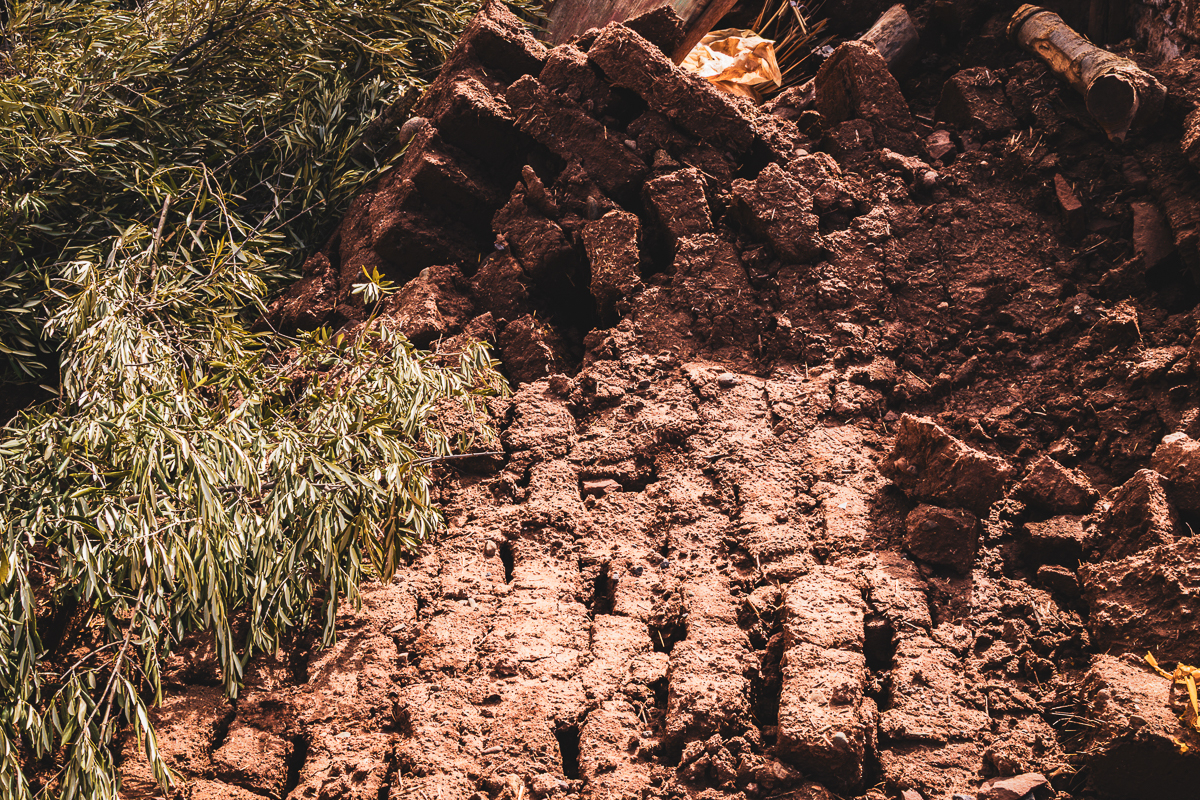
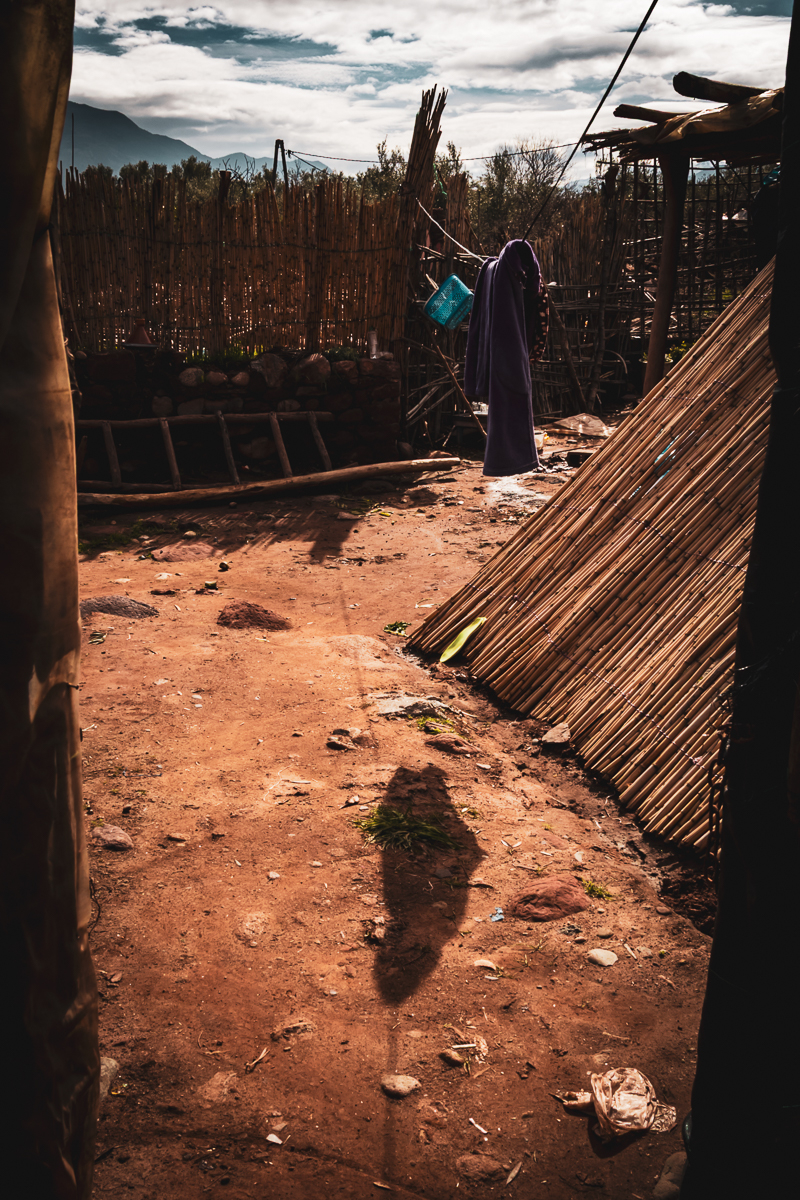
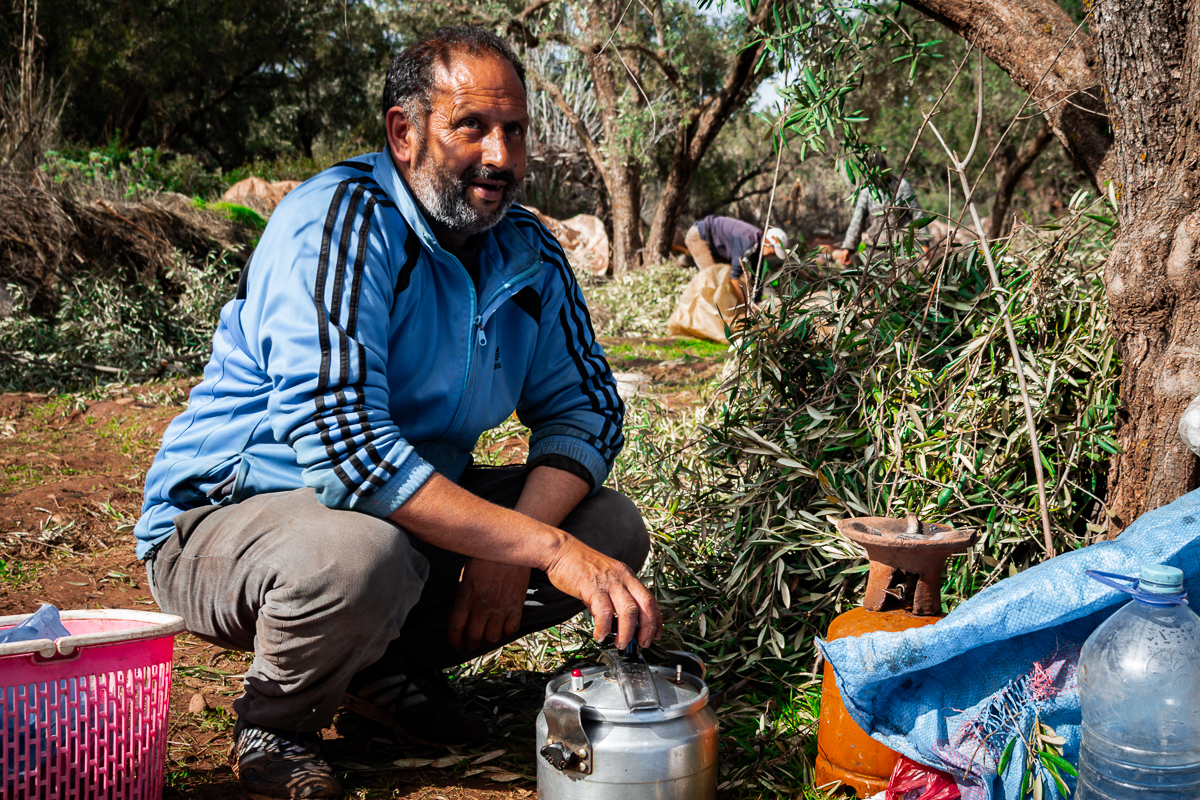
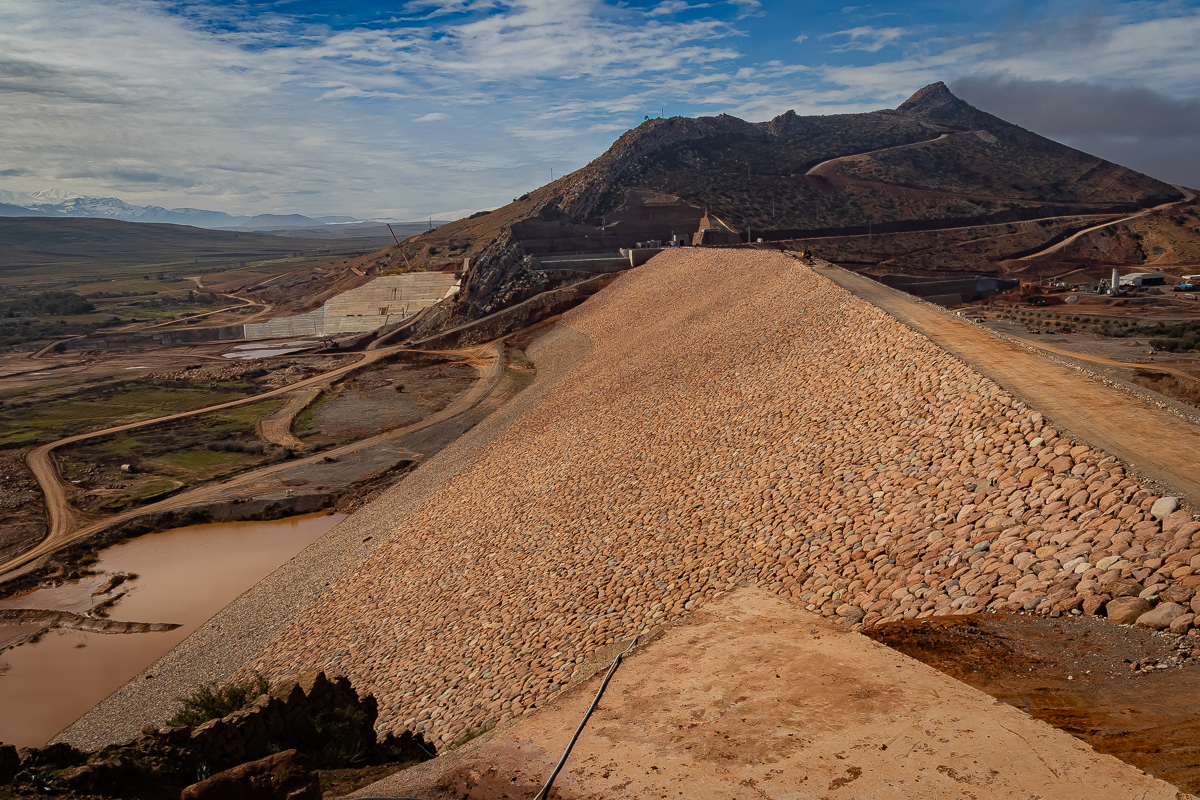
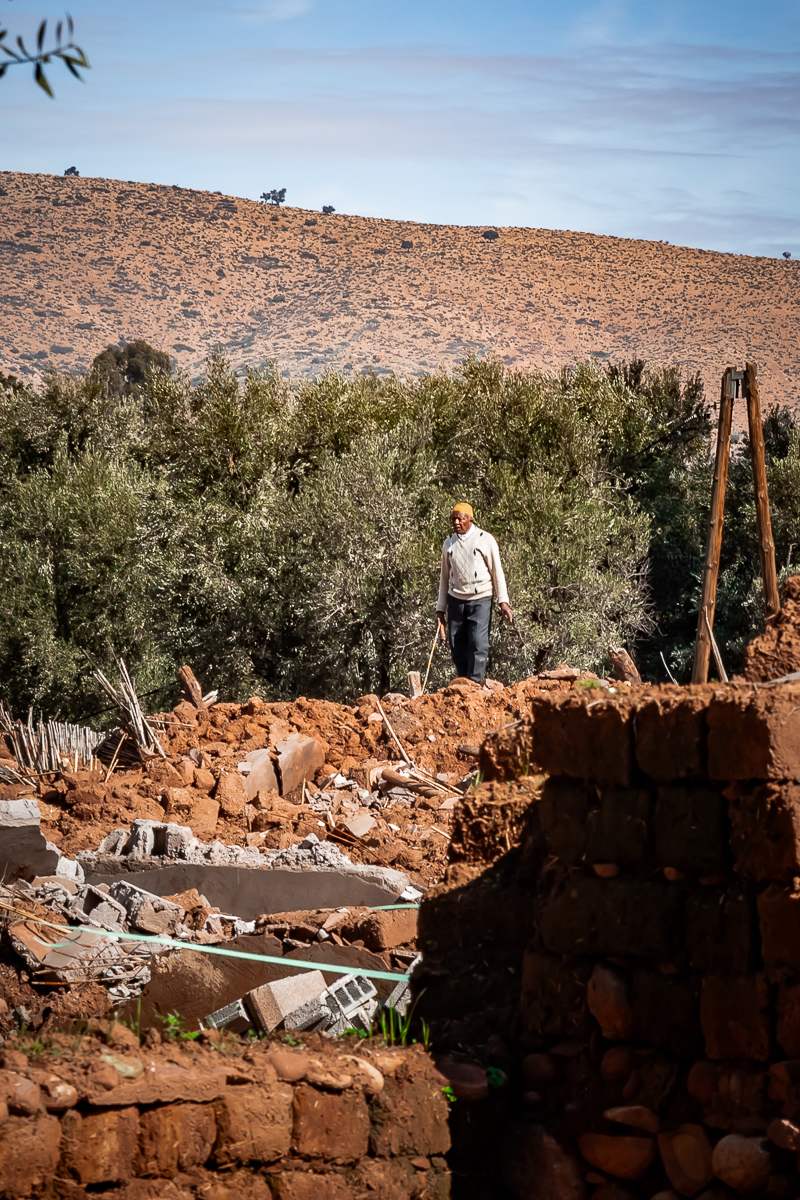
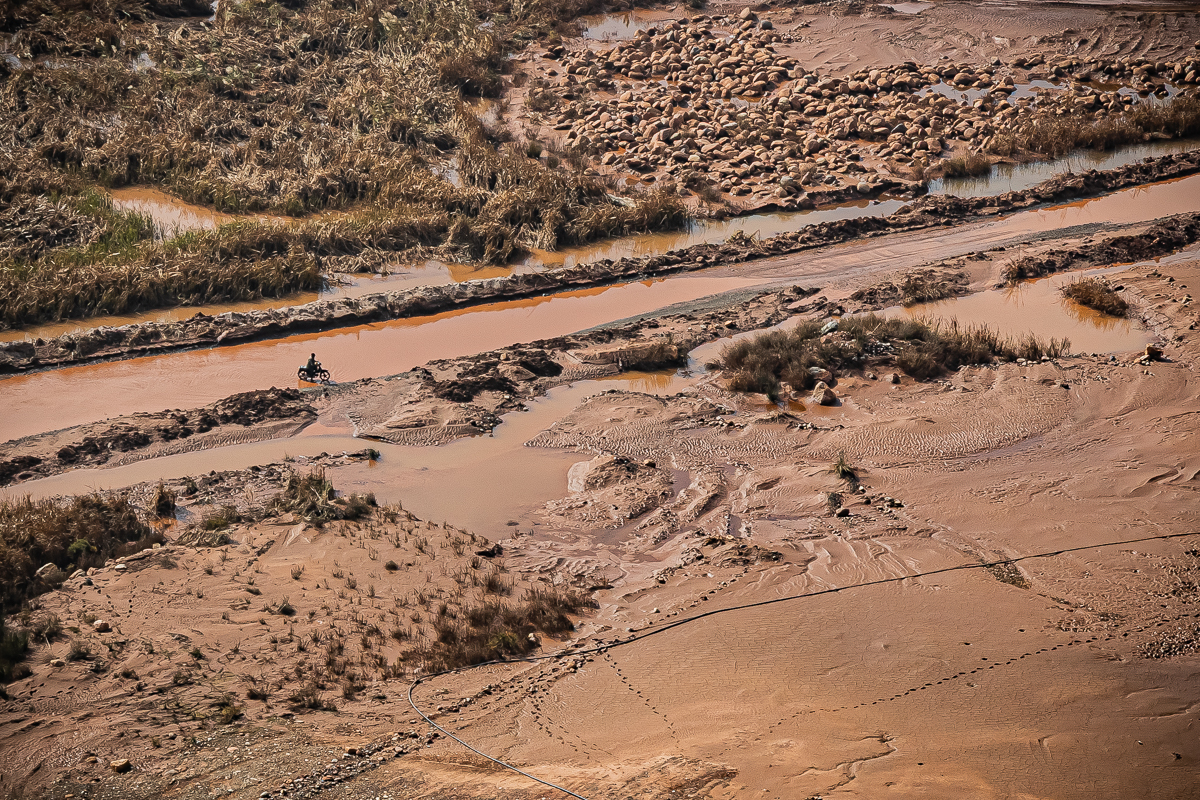
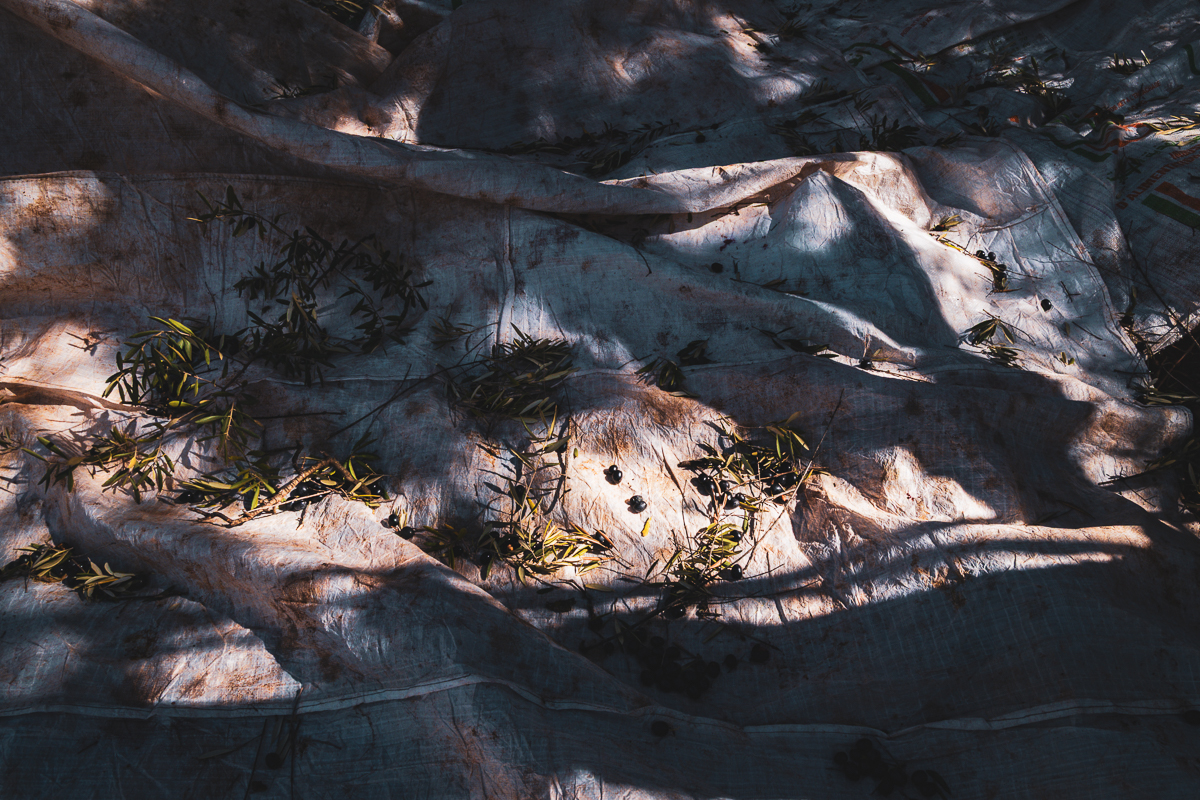
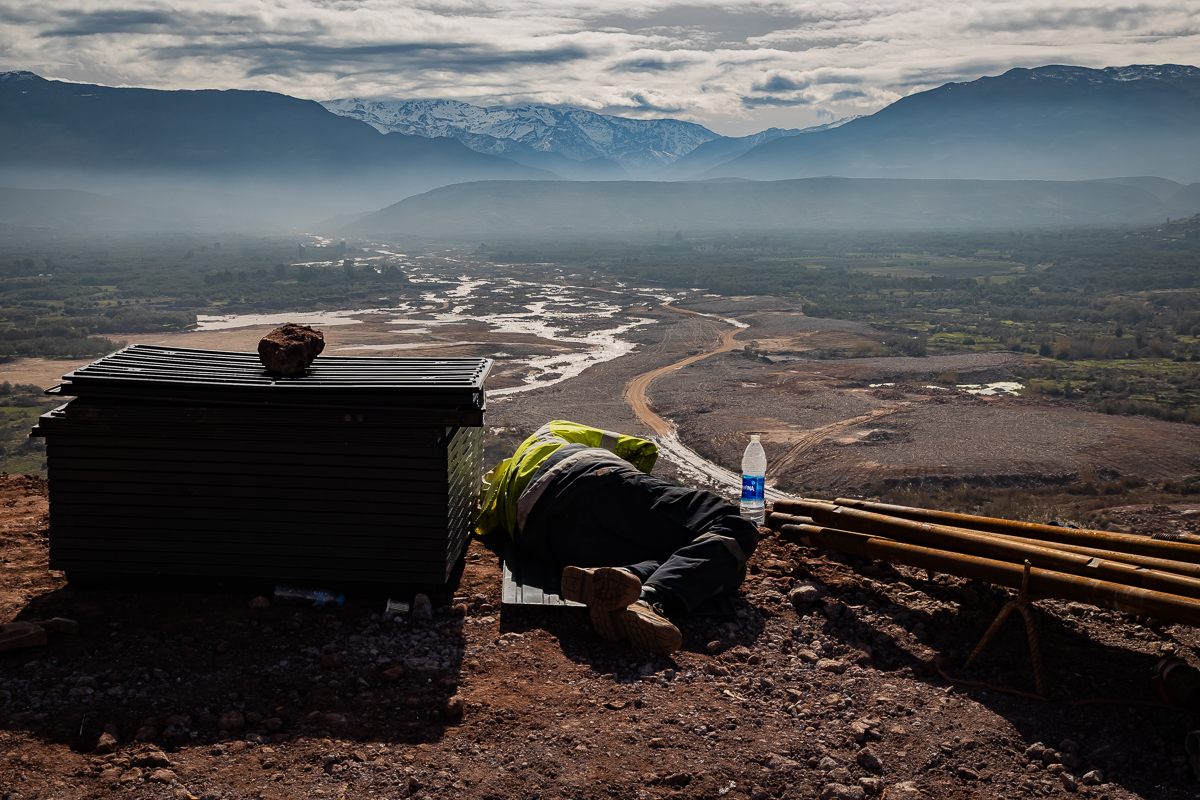
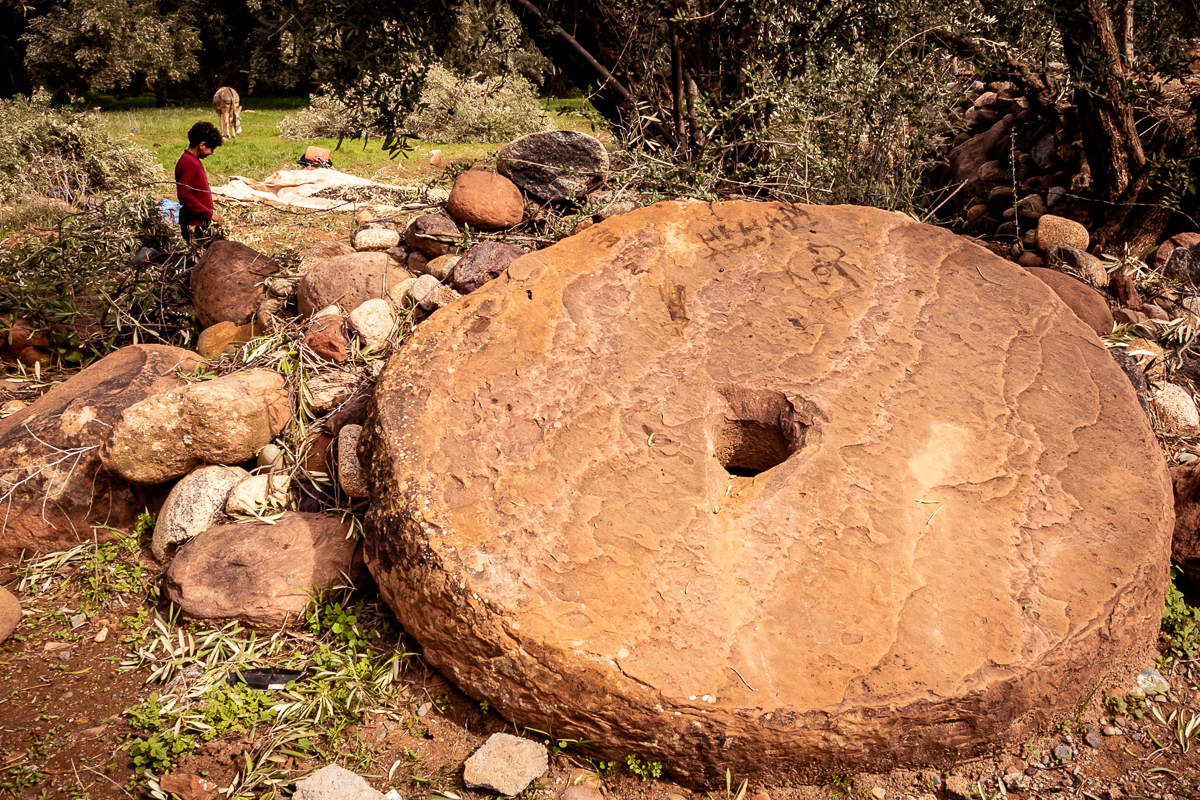
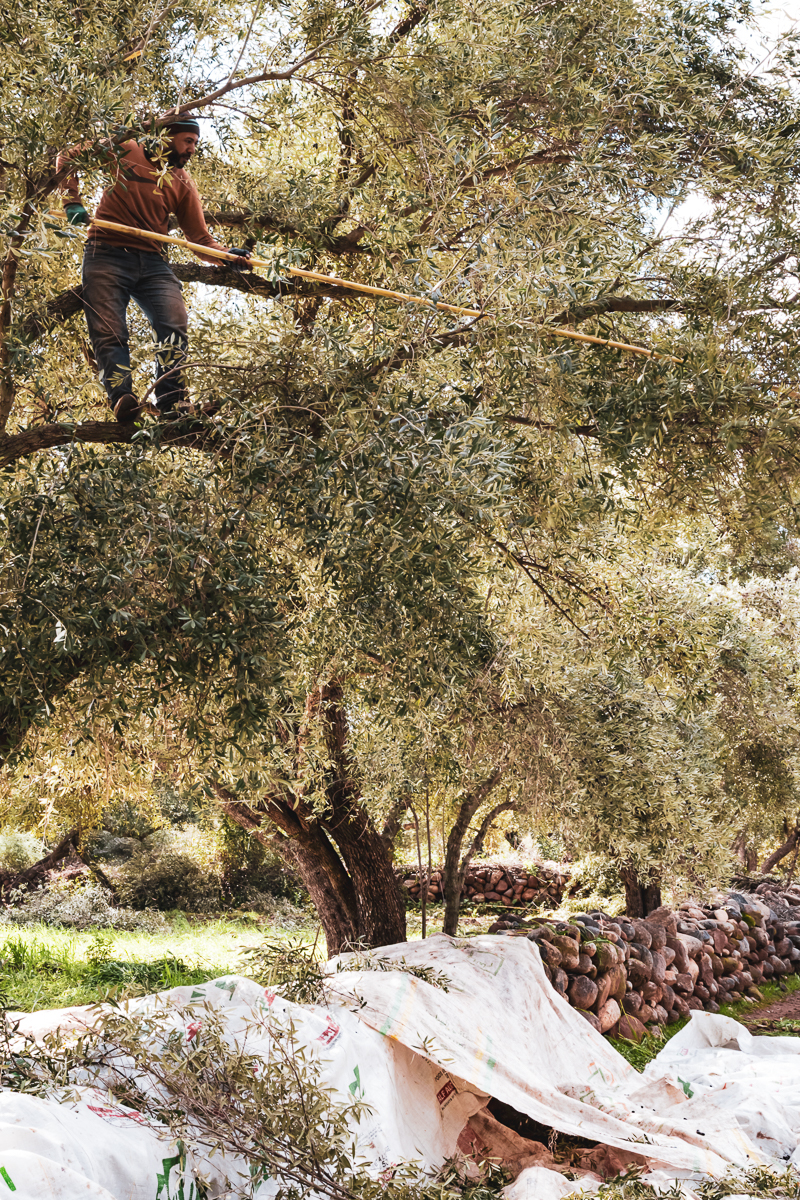
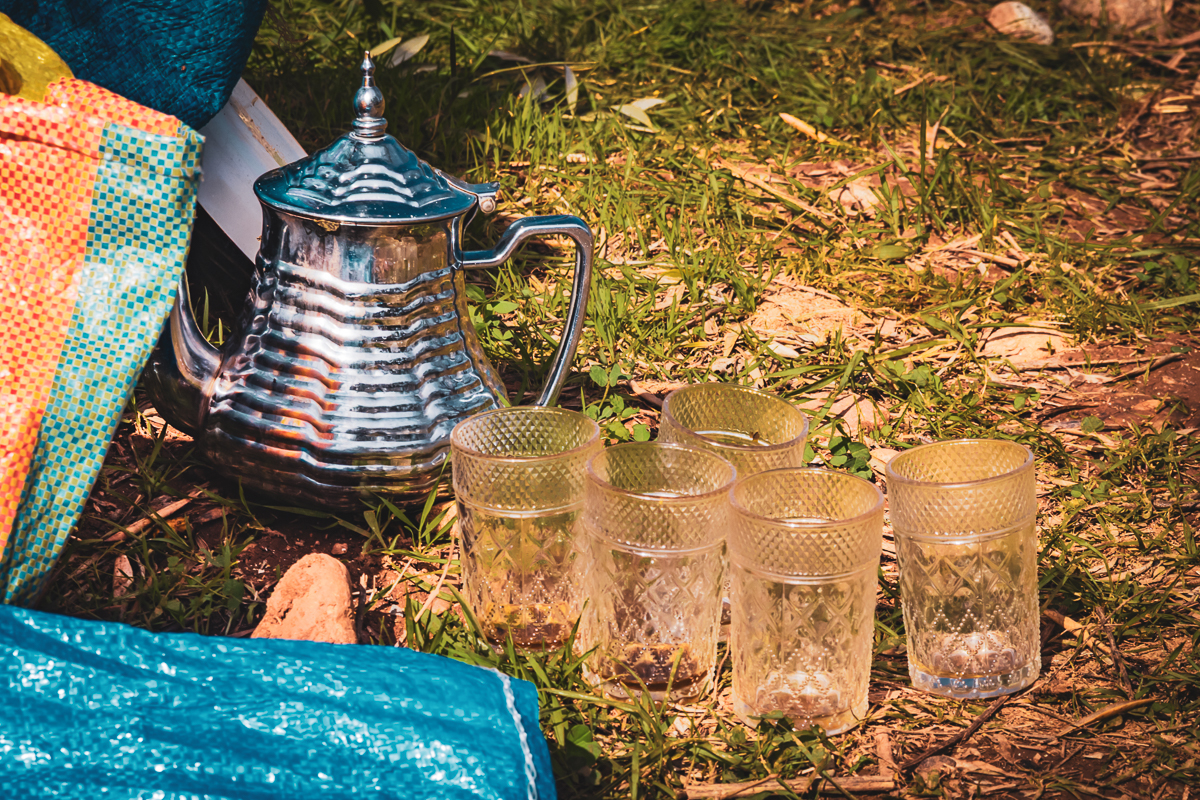
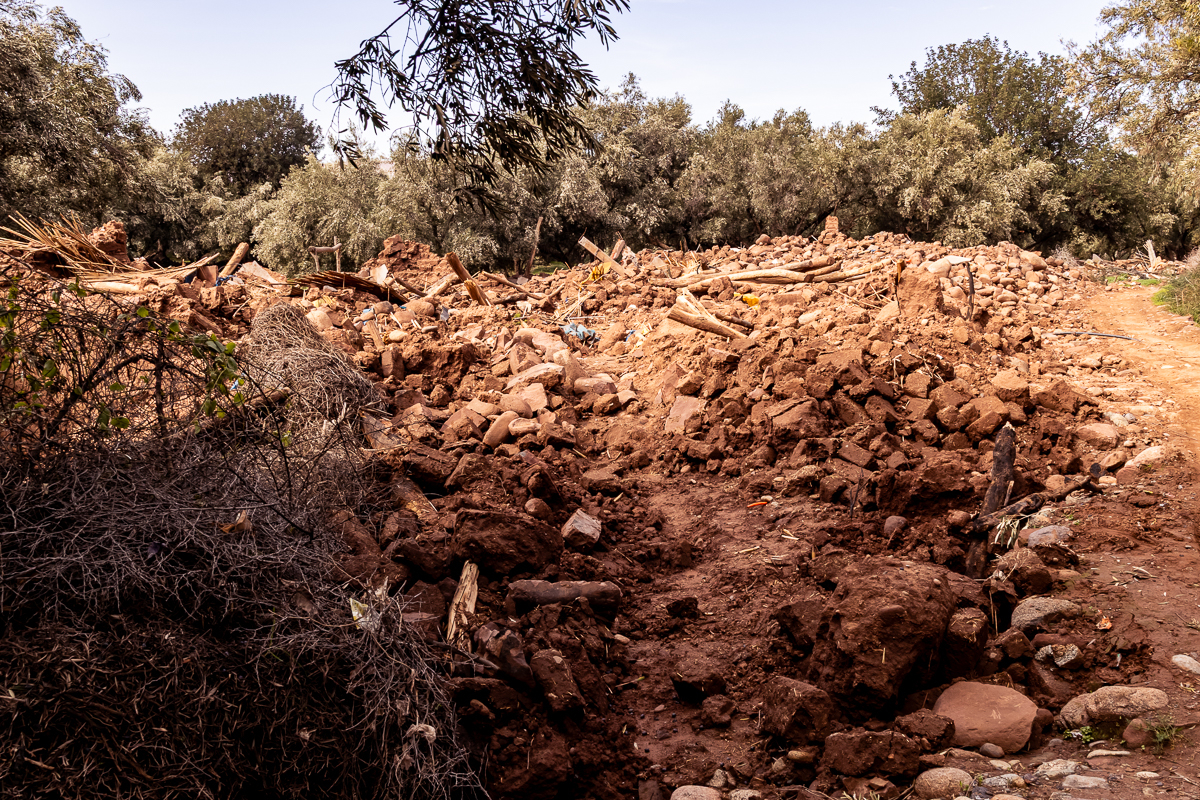
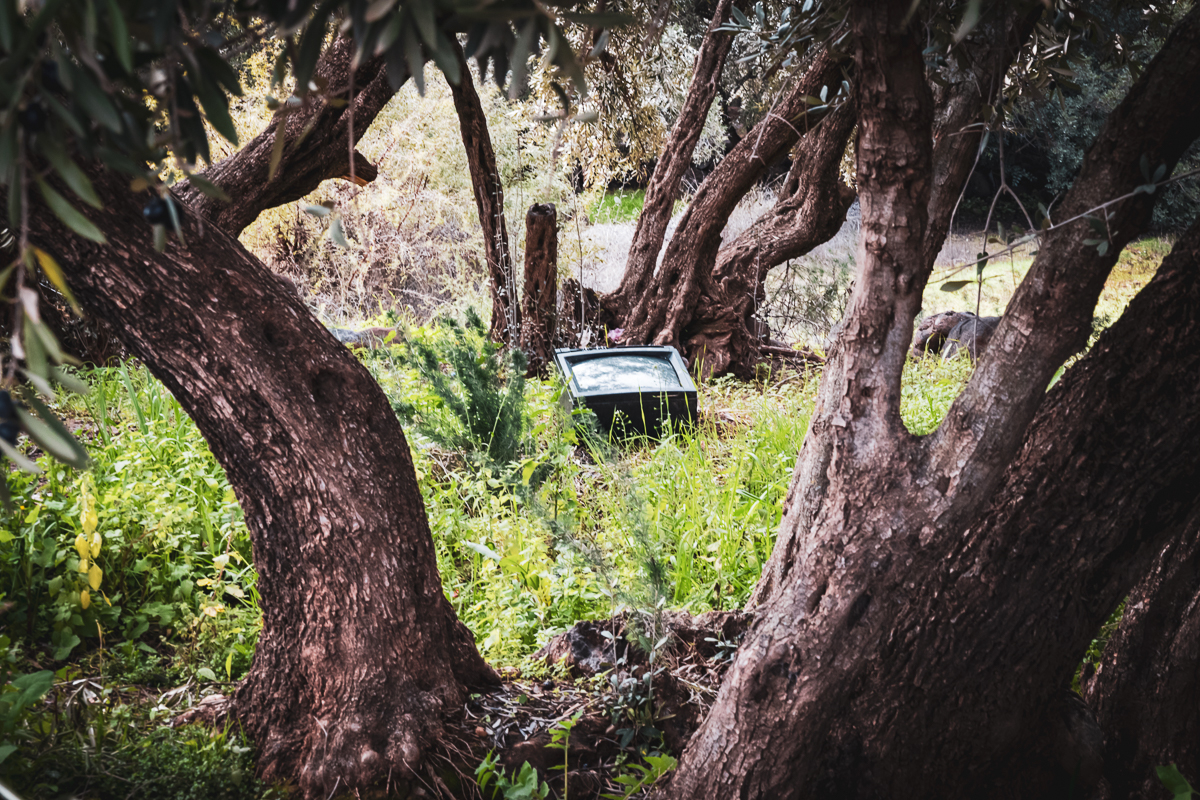
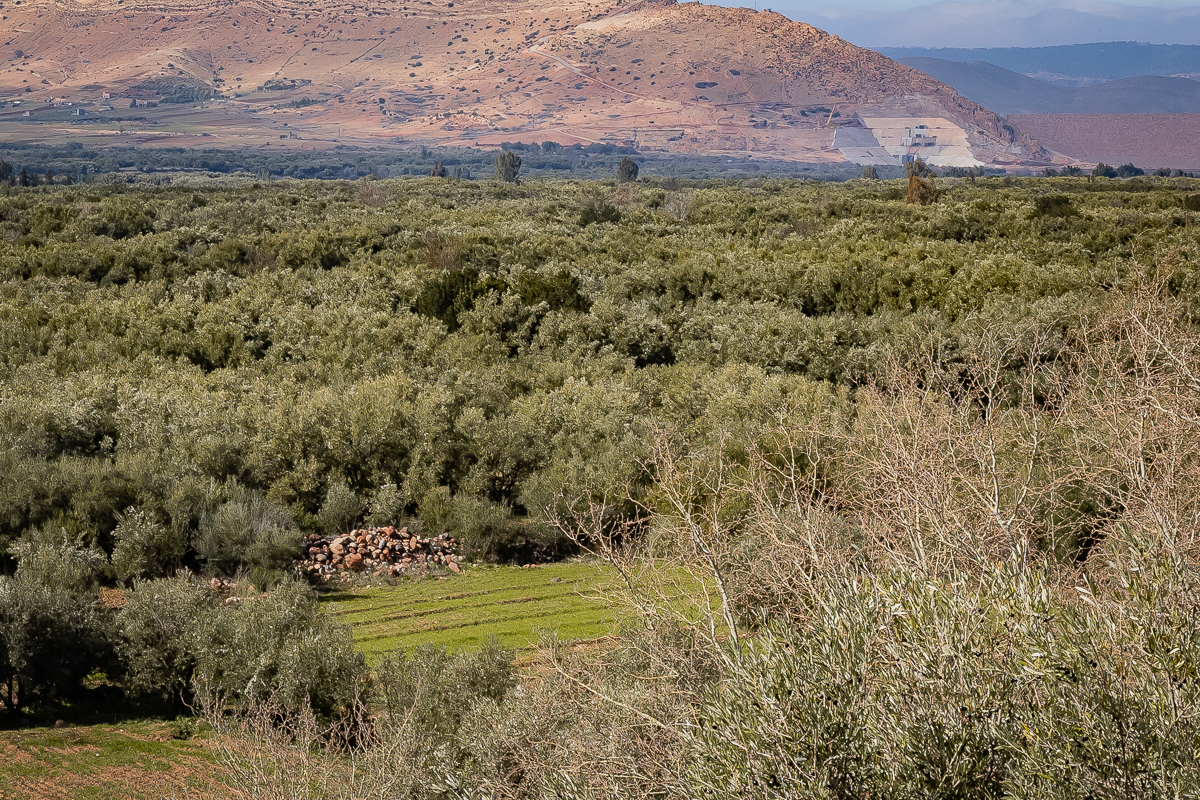
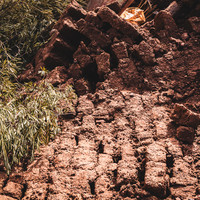
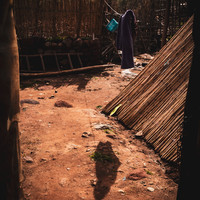
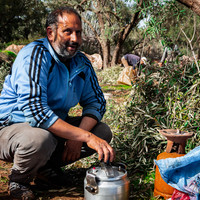
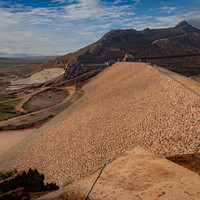
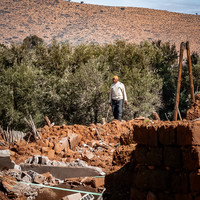
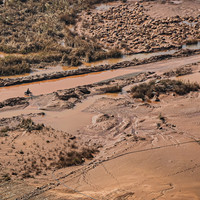
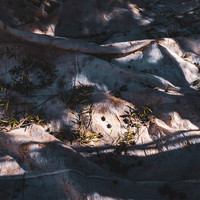
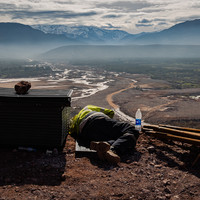
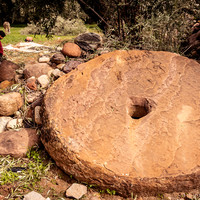
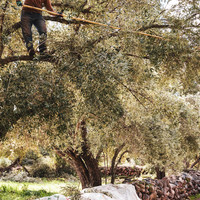
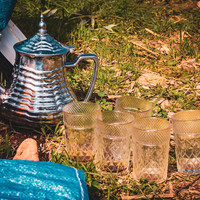
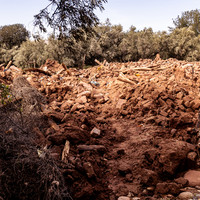
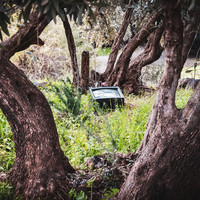
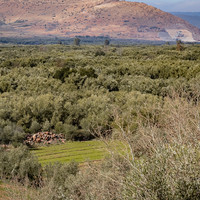
This series follows the Oued Zat plain in Morocco, where the Barrage Ait Ziat was nearing completion in January 2026. Presented as part of a wider strategy of water security - for Marrakech, for irrigation in the Haouz plain, and for flood control - the dam would inundate villages shaped by olive cultivation. Entire tracts of land were expropriated with compensation, not without contestation. The inhabitants were asked to leave, and the villages were demolished, making return impossible even before the water arrived. I photographed the valley when the demolition was almost complete. Families, still bound to the land, kept coming back to groves already taken from them for their last olive harvest. Some commuted from new housing in nearby Ait Ourir; others built makeshift shelters beside the fields. At first glance, the atmosphere could resemble a picnic: elders seated on tarps, children lingering nearby, a small stove ready for lunch, and the ever-present tea. But this intimacy unfolded among endless rubble, abandoned domestic objects, and the certainty that the place was about to disappear. Younger men climbed the trees and struck the branches from above. Others beat them from the ground with long sticks. The same sheets on which people rested were then spread to catch the olives. Harvest tarps spilled onto the dirt roads, only to be gathered to let passing cars through. I was struck by this stubborn continuity of gesture: harvest continuing inside a landscape already condemned. What interests me here is not only the violence of disappearance, but the uneasy coexistence of scales: infrastructure and intimate attachment, compensation and grief, national necessity and rooted life. The human cost is immeasurable - several residents told me that many elderly people, displaced late in life and moved away from the olive trees they had always tended to Ait Ourir, had fallen into depression. These photographs record a threshold: not yet flooded, no longer fully inhabitable. They ask what remains of belonging, memory, and heritage when a rural world is dismantled before the water rises: when homes are reduced to rubble, the material traces of generations are broken apart, and a place once shaped by labour, gestures, and emotion is turned into a future absence before it has even fully ceased to exist - while presence still lingers in the trees, in the gestures of harvest, and in the invisible yet profound bond between people and place.
BACK TO GALLERY